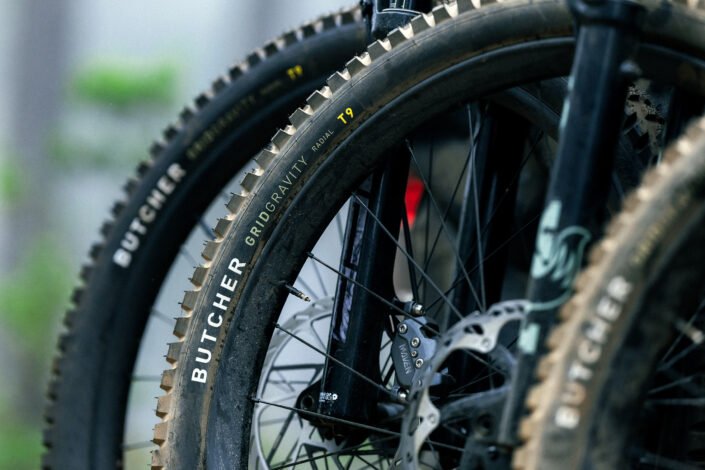
Specialized has precisely tweaked the fiber angles inside the Bitcher & Eliminator casing, giving their gravity mountain bike tires a ‘more radial‘ update. It’s not quite as extreme an angle as some brands. And it’s still functionally a bias-ply tire. But Specialized calls their slightly more conservative radial-ish casing construction the perfect ‘Sweet Spot Ply’ that balances a 30% boost in radial tire compliance and 30% larger tire contact patch, while maintaining the necessary lateral support to keep running low tire pressures for maximum grip.
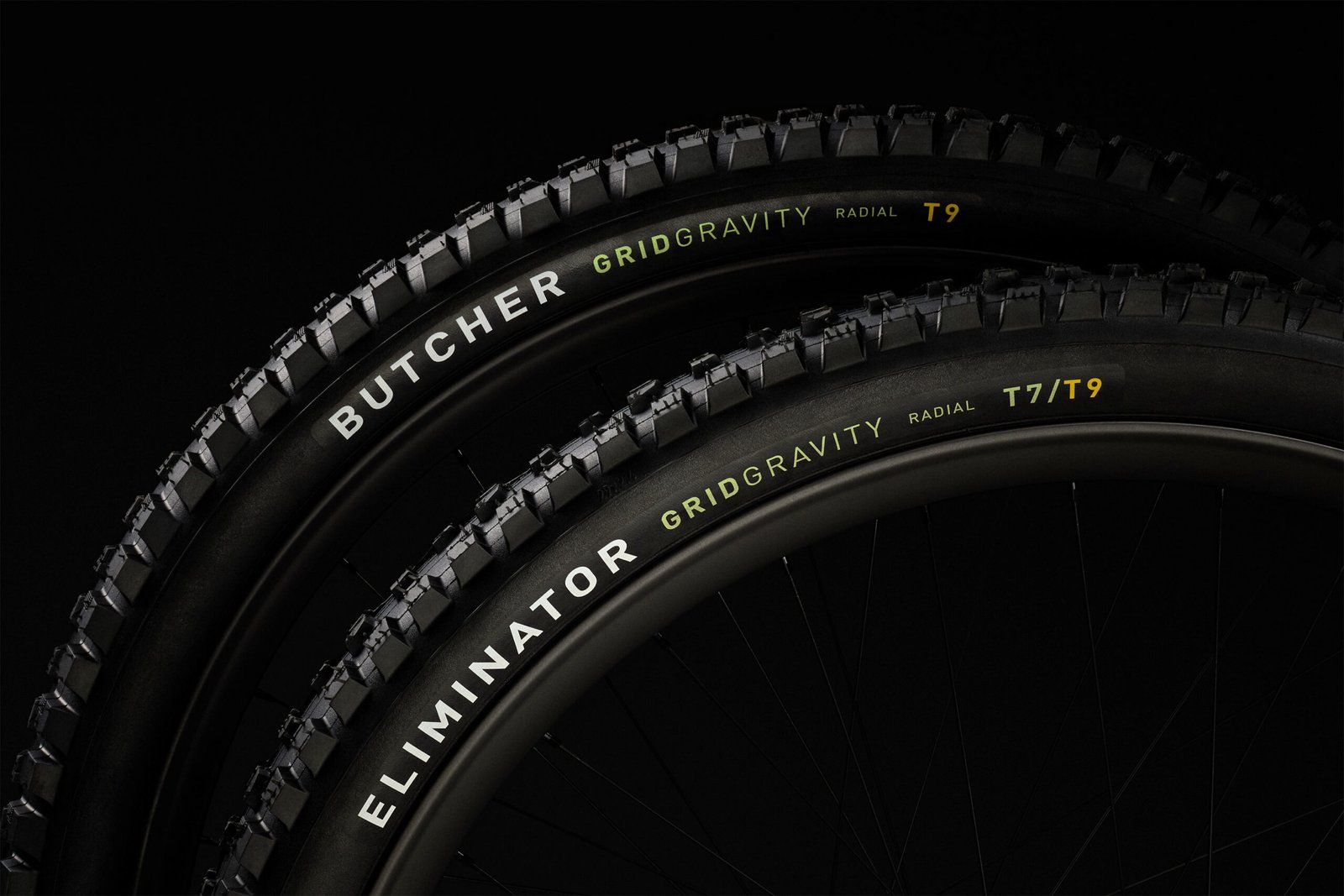
Specialized Butcher & Eliminator Grid Gravity Radial MTB tires
Specialized say their two new Grid Gravity Radial tires “reinvent how trail riders experience grip and compliance” by creating a better balance of radial compliance and lateral support.
When Schwalbe debuted their game-changing radial tire construction in 2024, every other tire maker quickly took notice. But when Specialized’s S-Works Tire Factory in Baden, Germany dug deeper into more-radial tire casing angles, they saw a significant hurdle.
While brands like Schwalbe and Zleen adopted more dramatic radial angles, according to Specialized, that shift also necessitated revised structures to make up for the loss of lateral support, diminishing the benefits of the more radial angles. While we haven’t yet tested the new Specialized radials, that seems confirmed by Schwalbe’s own recent tweaking of their Gravity Radial construction to give the extra lateral support that their hard-charging downhillers had demanded.
OK, so how did Specialized settle on their new 70° Sweet Spot Ply?
It all comes down to a lot of iterative R&D testing. Luckily, tweaking casing angles is relatively straightforward process. And it doesn’t require new tire molds to get a sense of the impact of small changes.
As the casing angle approaches 90° perpendicular to the direction of travel / tire rotation, radial stiffness in the tire decreases significantly – increasing grip, but lateral stiffness drops off as well – negatively impacting handling & control.
With a closer-to-radial casing, increased tire pressure (or other heavy internal tire reinforcement) is needed to maintain a minimum acceptable level of lateral support. But those higher pressures – what Specialized calls pressure-tuning – negate the benefit of compliance offered by radial construction. And thus, they limit the usable range of tire pressures a mountain biker can use to fine-tune their ride.
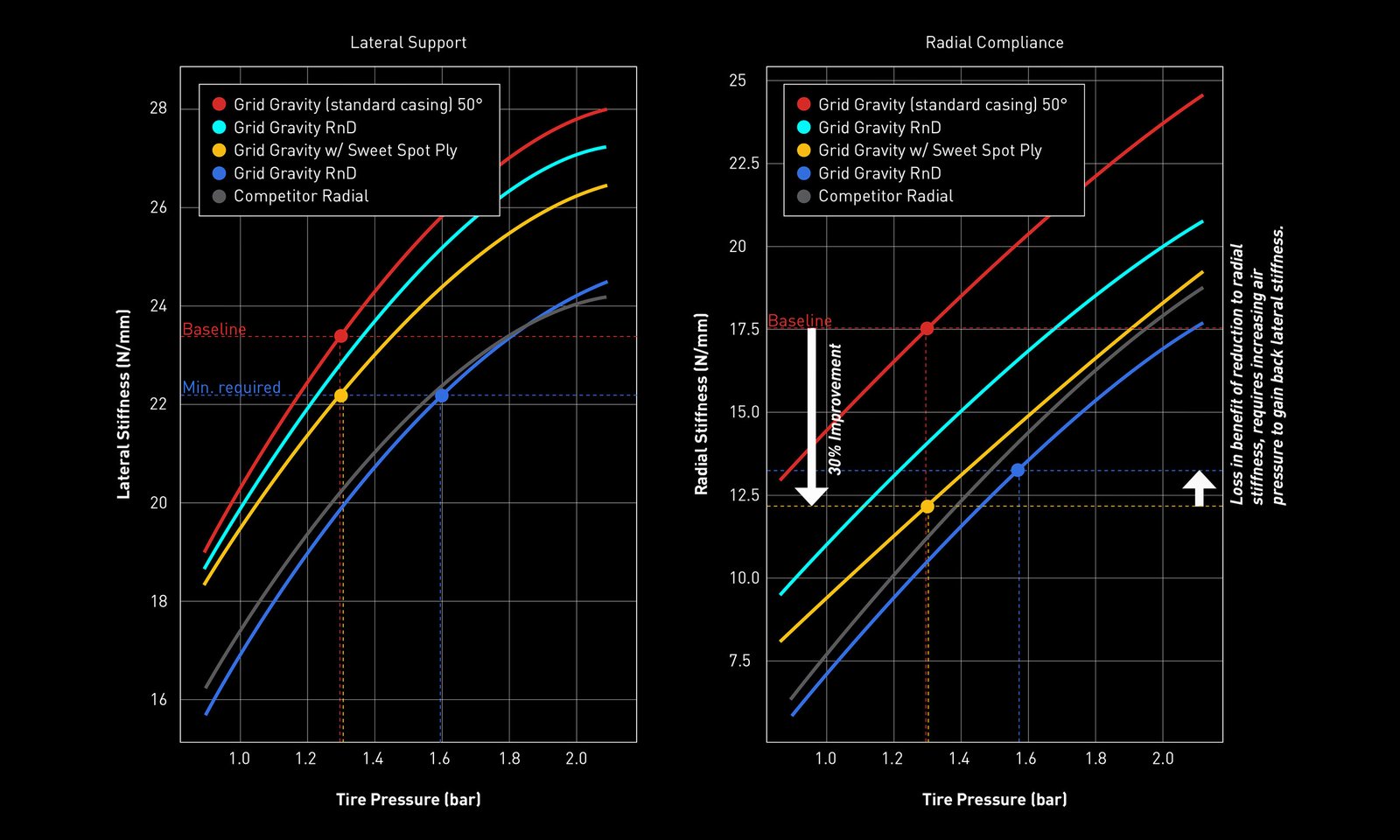
Specialized’s Grid Gravity R&D prototype testing illustrates the performance impacts of simply changing the casing angle from the 50° for their standard casing (vs. the 45°average of most conventional bias-ply bike tires). Specialized iterated their prototypes in ~10° steps for testing, up to ~80° to mimic the angle used in Schwalbe’s Radial tires (according to Specialized’s claim).
Based on their R&D test results, Specialized settled on their own new Sweet Spot Ply casing angle of ~70°. They describe that those first two 10° steps away from their standard (50°) gravity tire construction demonstrated the biggest improvement in Radial Compliance, while having a minimal negative impact on Lateral Support.
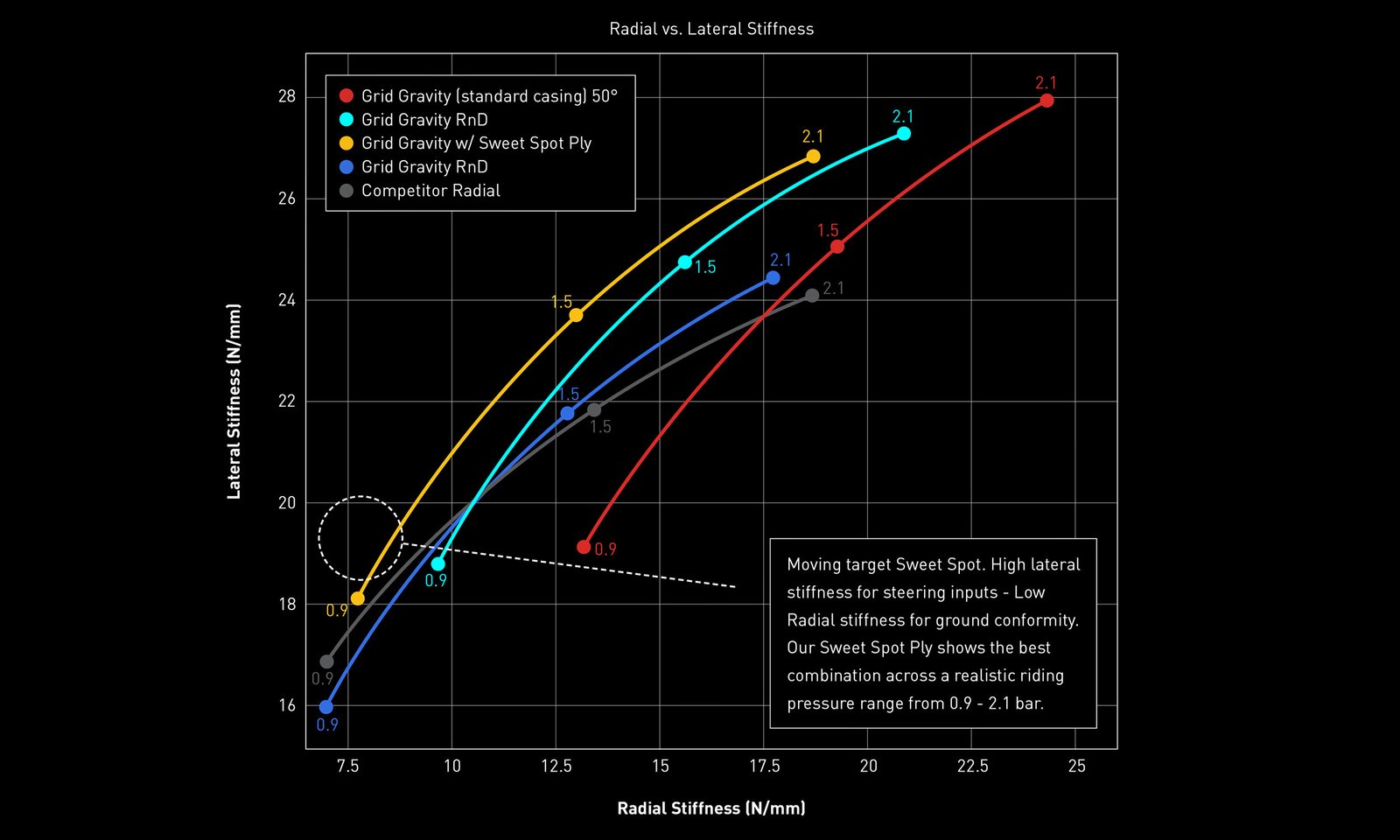
Hence, the Sweet Spot.
Where you can still run the same pressure that you did in your conventional Specialized Gravity tires, or maybe just +1psi extra as a starting point.
Why only Butcher & Eliminator in Gravity casings?
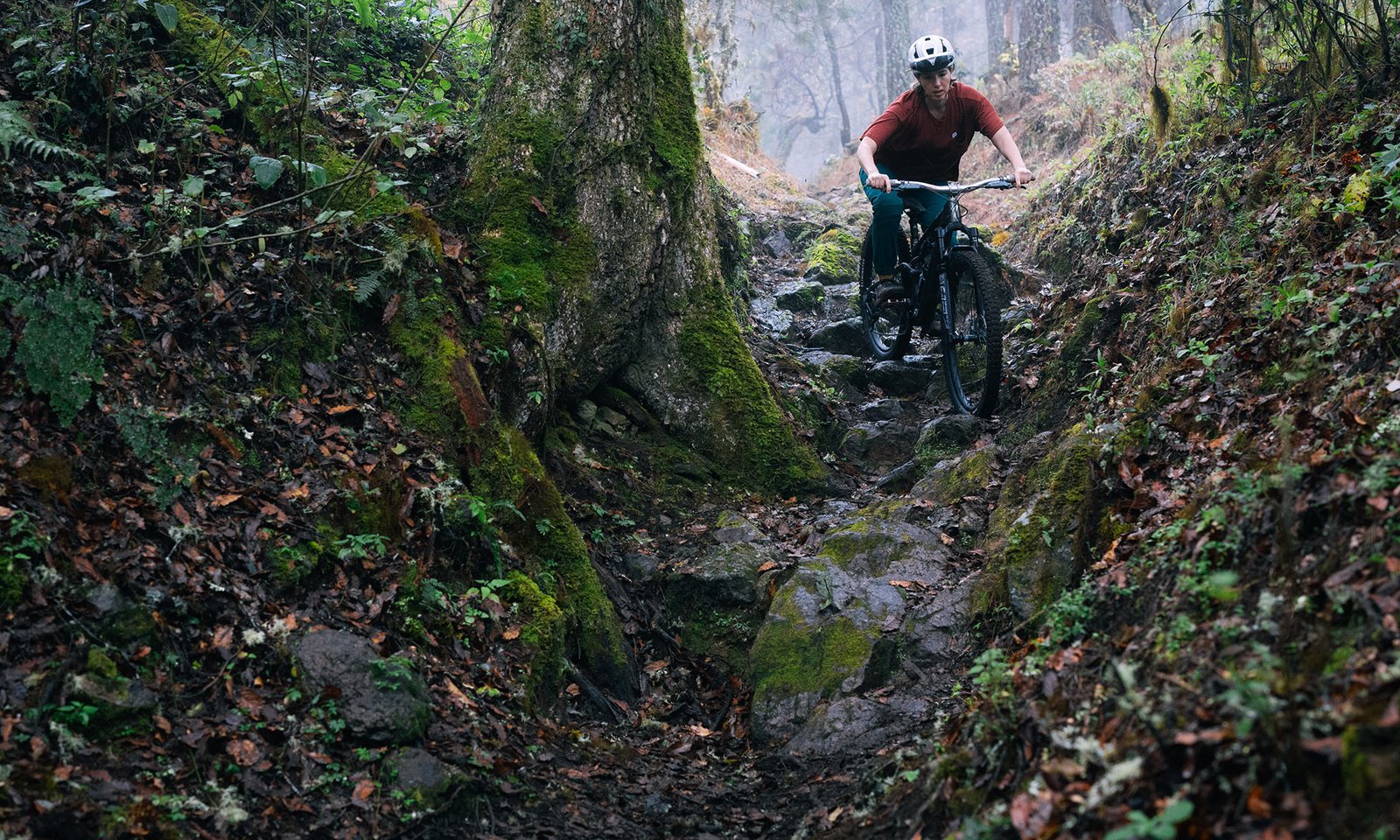
Specialized’s Grid Gravity Radial Sweet Spot Ply claims to:
- “Reduce radial stiffness by 30.0%, dramatically improving trail conformity.”
- “Decrease lateral stiffness only 7%, retaining cornering support and precision.”
- “Deliver compliance and control at the same PSI riders already use.”
But ultimately, like we’ve seen with Schwalbe, going radial increases tire footprint, allows for more tire deformation, increases vibration damping, and provides more grip. But more grip isn’t free… and also means more rolling resistance, too. So even though Specialized describes their Grid Gravity Radial construction as “reinventing” the grip that “trail riders” experience, it’s clear that it’s going to take more effort to pedal the new tires up hills, too.
So even with Specialized’s reduced radial angle, this is still only tire tech for riders prioritizing maximum grip over tricky technical terrain. Think aggressive trail, all-mountain, enduro, and eMTB riders. That’s where the grippy Butcher & Eliminator trail & enduro tires shine.
Specialized even says hard charging bikepark riders and DH racers who rely on firm supportive tires, may still prefer to stick with conventional 50° Grid Gravity tires, not these new radials.
Only in the grippiest T9 & T7/T9 rubber
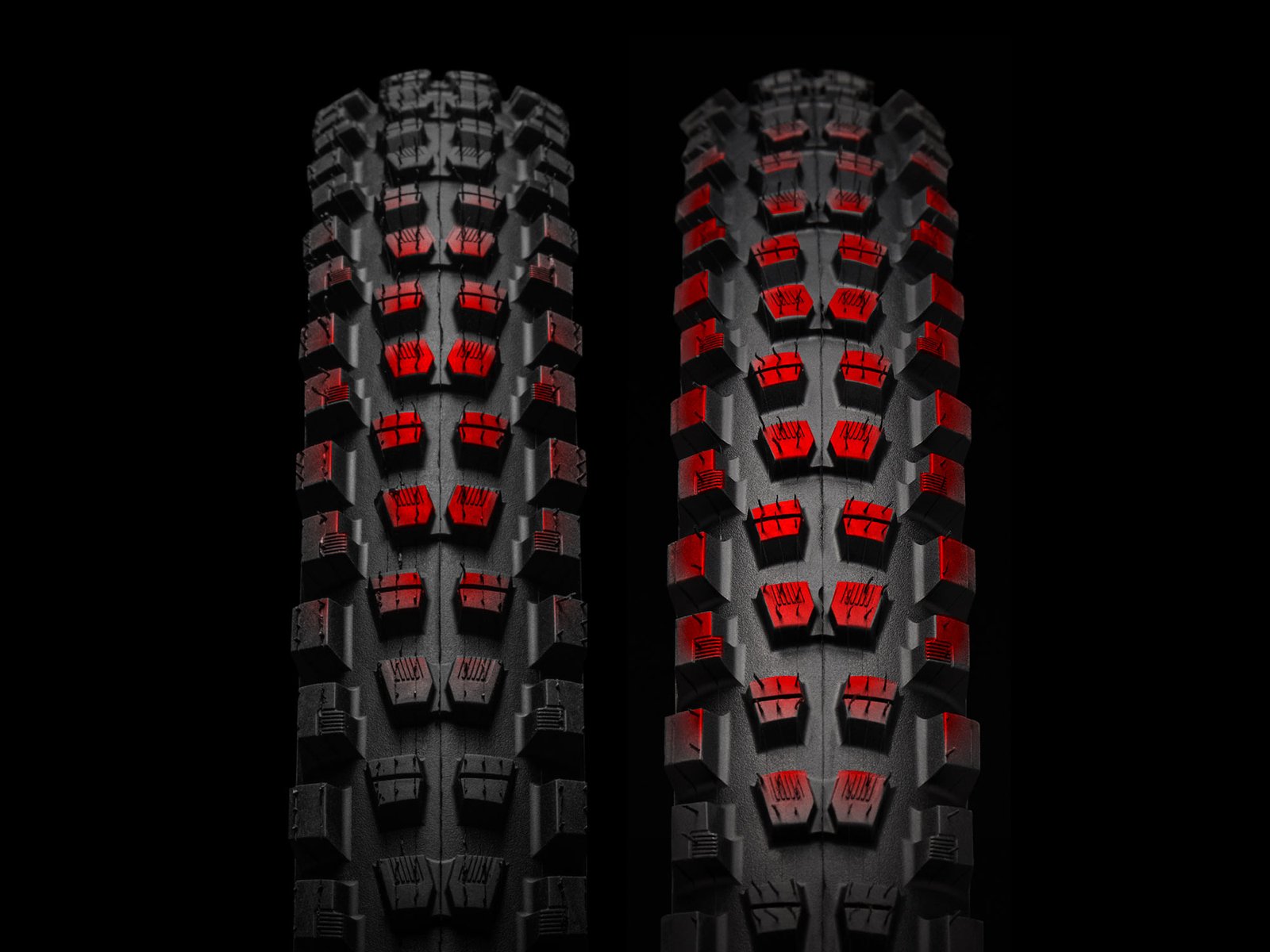
If you are going to change casing construction to maximize grip, you might as well start with the grippiest rubber to start. That’s why the Grid Gravity Radial construction only comes in Specialized’s stickiest T9 rubber. OK, also with the dual-compound Eliminator that features longer-wearing T7 rubber down the middle of its tread knobs, too.
Interestingly, Specialized’s testing that showed a 30% larger tire footprint under the same rider+bike load, also points towards more than just a big increase in grip. They suggest that it should also mean increased tire durability. If the same load is distributed over a larger area, there is reduced stress on the tire, hence longer-wearing rubber?
Specialized Grid Gravity Radial tires – Pricing, options & availability
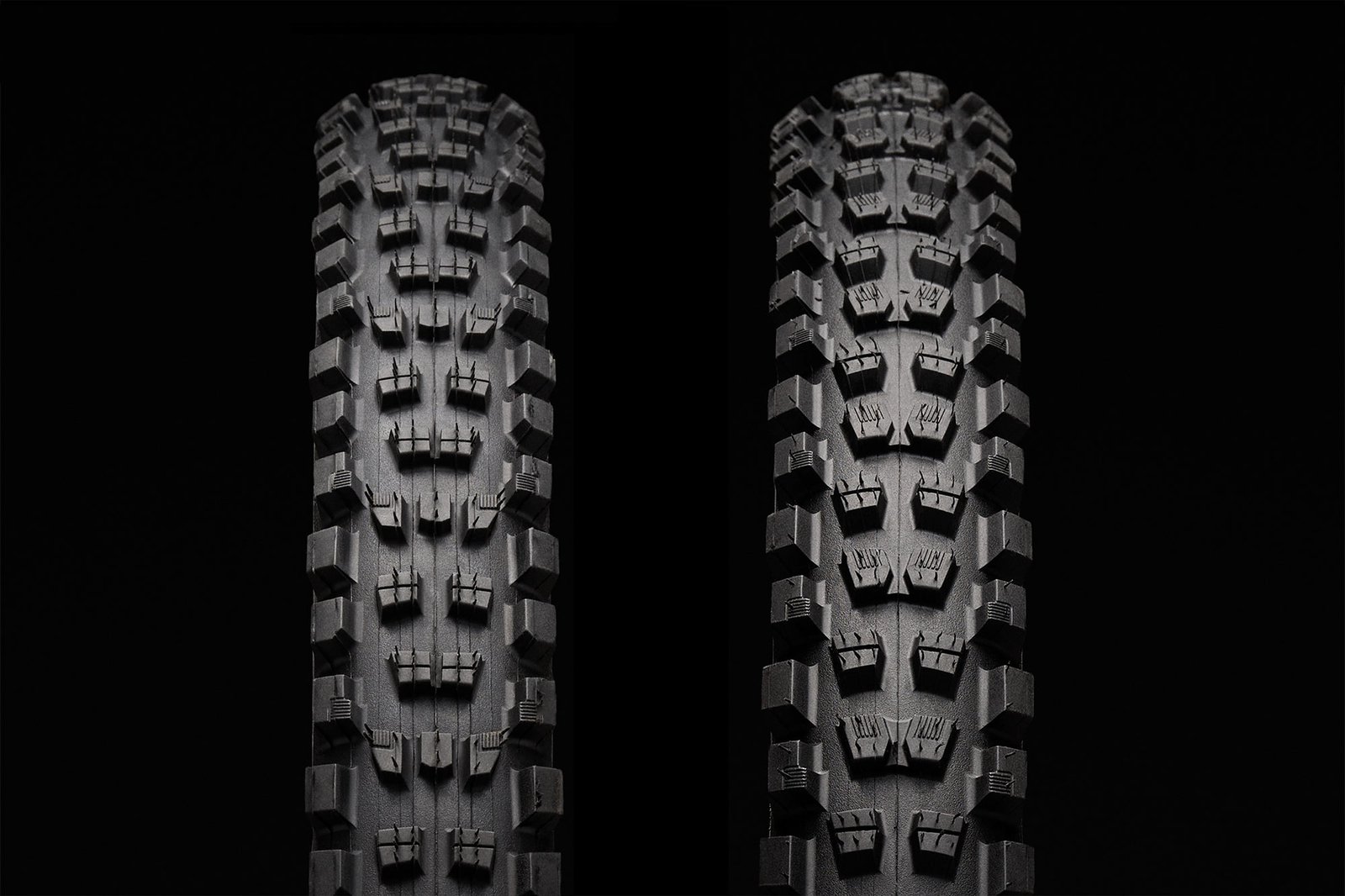
Just two Specialized tubeless mountain bike tires get the Grid Gravity Radial treatment. First, there’s the most aggressive, often front 2.4″ Butcher Grid Gravity Radial T9 tire in 27.5″ or 29″ – 1240g & 1330g, respectively. Then, there’s the more durable, often rear 2.4″ Eliminator Grid Gravity Radial T7/T9 again in 27.5″ or 29″ – also 1240g & 1330g claimed weights.
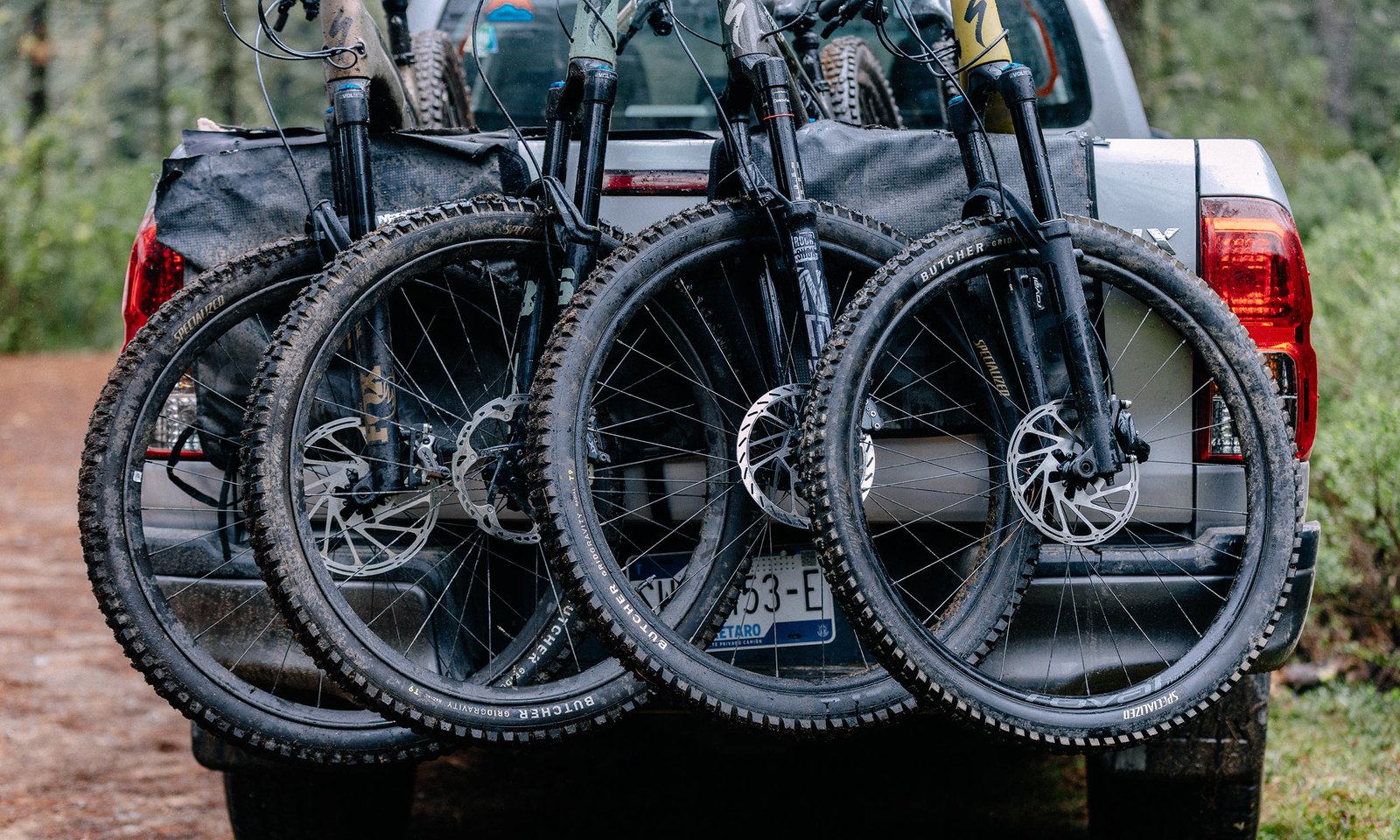
All of the Specialized Grid Gravity Radial mountain bike tires sell for the same price – $90 / 69€ a piece, just a few bucks more than the conventional versions. Get a set from your local Specialized dealer starting today.
Specialized.com