The April 16 edition of Cycling Weekly magazine is themed around issues of cycling accessibility, and the pertinence of the topic has been highlighted by recent research revealing that millions of people in Britain – who could be reaping the myriad health, fitness and financial rewards that cycling brings – do not have access to a bike simply because they can’t afford one.
Meanwhile, many other people have perfectly decent bicycles getting dusty and rusty in a shed or garage, because their pedalling days are behind them, or they’ve moved on to another model or have off-spring who have outgrown their kid’s bikes.
Cycling can be seen as outrageously expensive and, according to a market tracker study, 41% of the British population do not own a bike of any sort, with affordability being one of the main reasons cited. At the same time, additional research has revealed that 34% of adults in Britain own a bike that they never ride, and 15% have an unused child’s bike lying around.
Article continues below
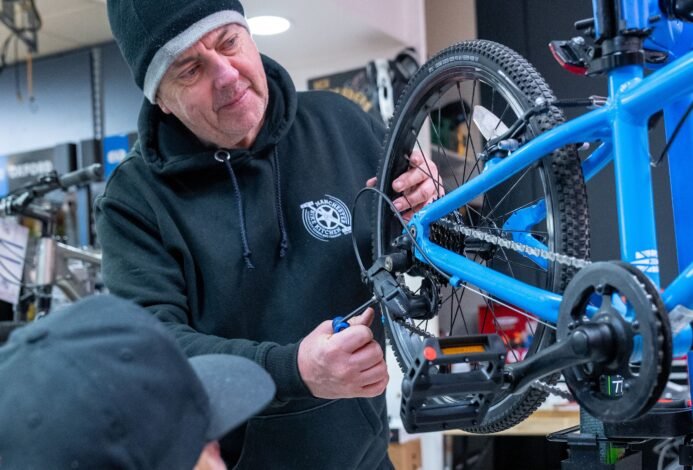
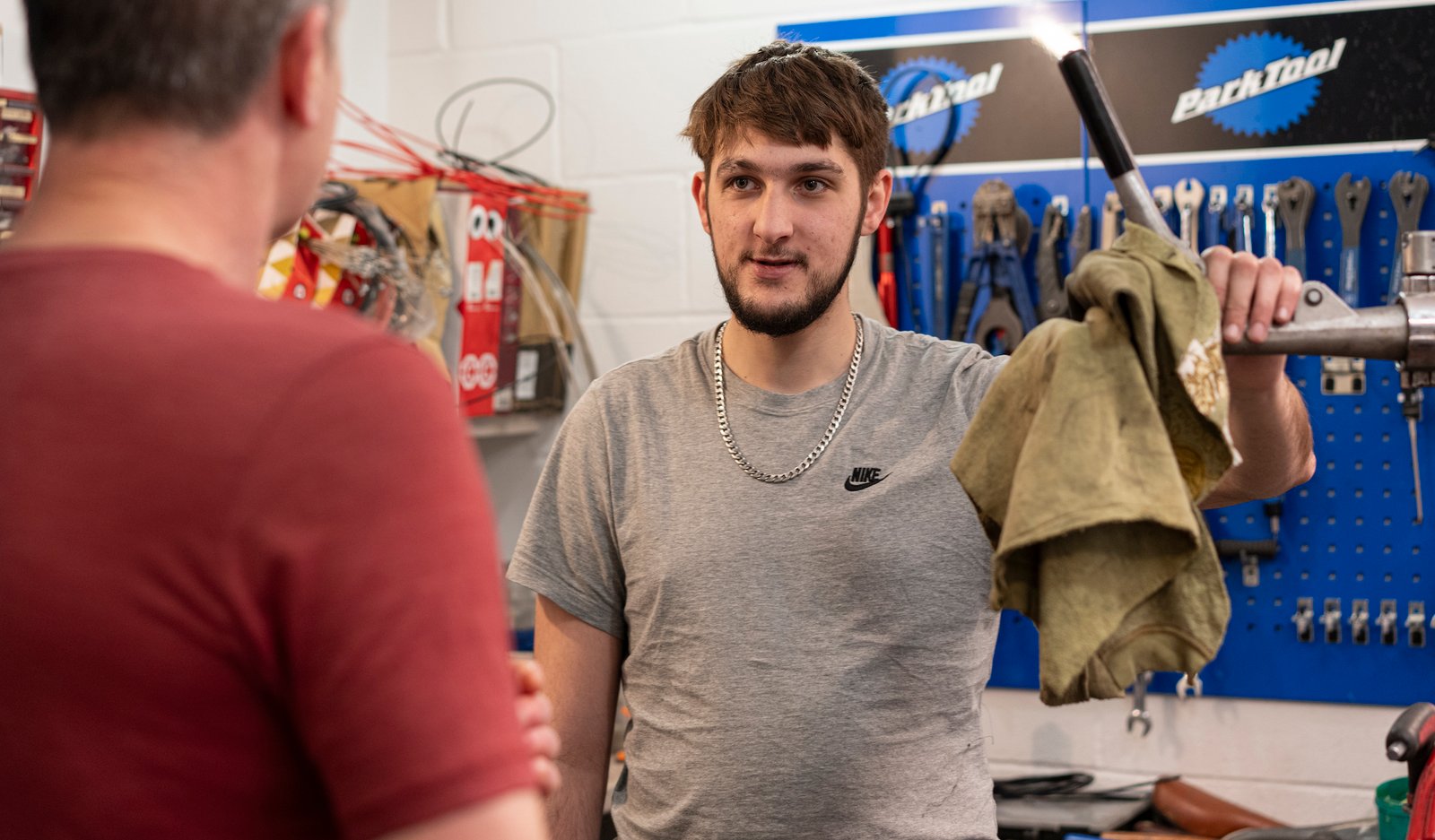
This concept, which has been trialled around the country over the last eight months, sees community-run hubs take in abandoned or donated bicycles, revive and refurbish them, and redistribute the bikes at an affordable price point to people who need and want them for commuting or recreational use. The benefits to the wider community of providing easier access to bikes are massive, too, from safer streets to cleaner air, and often the repair side of the operation provides training and direction to people who need it.
(Image credit: Ayup Bikes)
Following the success of the pilot project, the initiative will be expanded to ten sites across the UK, including the five locations involved in the initial pilot: the Manchester Bike Kitchen (which has three sites across Greater Manchester), Ay Up Community Bikes in Derby, Changing Gearz in Torfaen, St Augustine’s Centre in Halifax, and Re Cycle In Cafe in Stockport.
“Re Cycle In was born from a passion to help our community fix their bikes instead of throwing them away,” reports Sandra Davenport, a volunteer at the café and hub in Stockport. “Since May, we’ve been repairing wheels in Heaton Norris with a focus on both bicycles and the environment. This funding gives us the chance to grow, support even more people, and inspire our community to embrace the power of pedal-driven change.”
Second Chance
(Image credit: Louis Amore Photography)
There are also other groups, charities and companies working to give abandoned and neglected bikes a second life, while helping make cycling more accessible to more people, including XO Bikes, who provide training and purpose to people coming out of prison. The program has been proven to significantly reduce reoffending rates, as Cycling Weekly discovered last year.
Applications are also open for additional community organisations, bike hubs and grassroots groups to get involved, by expanding existing local recycling and cycling initiatives or setting up new Lloyds ReCycle Hubs in places where they’re needed. If you want to get involved, the application form and the toolkit to help with the process can be found here, and grant funding, guidance and mentoring is all being offered.
“This project is a real catalyst for social change,” said Tracy Power, Managing Director of the British Cycling Foundation. “Not only will it bring significant improvements to health and well-being, but Lloyds ReCycle Hubs will have a positive impact on the environment, and open opportunities to many people across the UK, making real social impact for those in underrepresented groups.”
Explore More