
Most MyGolfSpy driver tests include at least one model priced well below the flagship releases from the major OEMs.
In 2026, there were several.
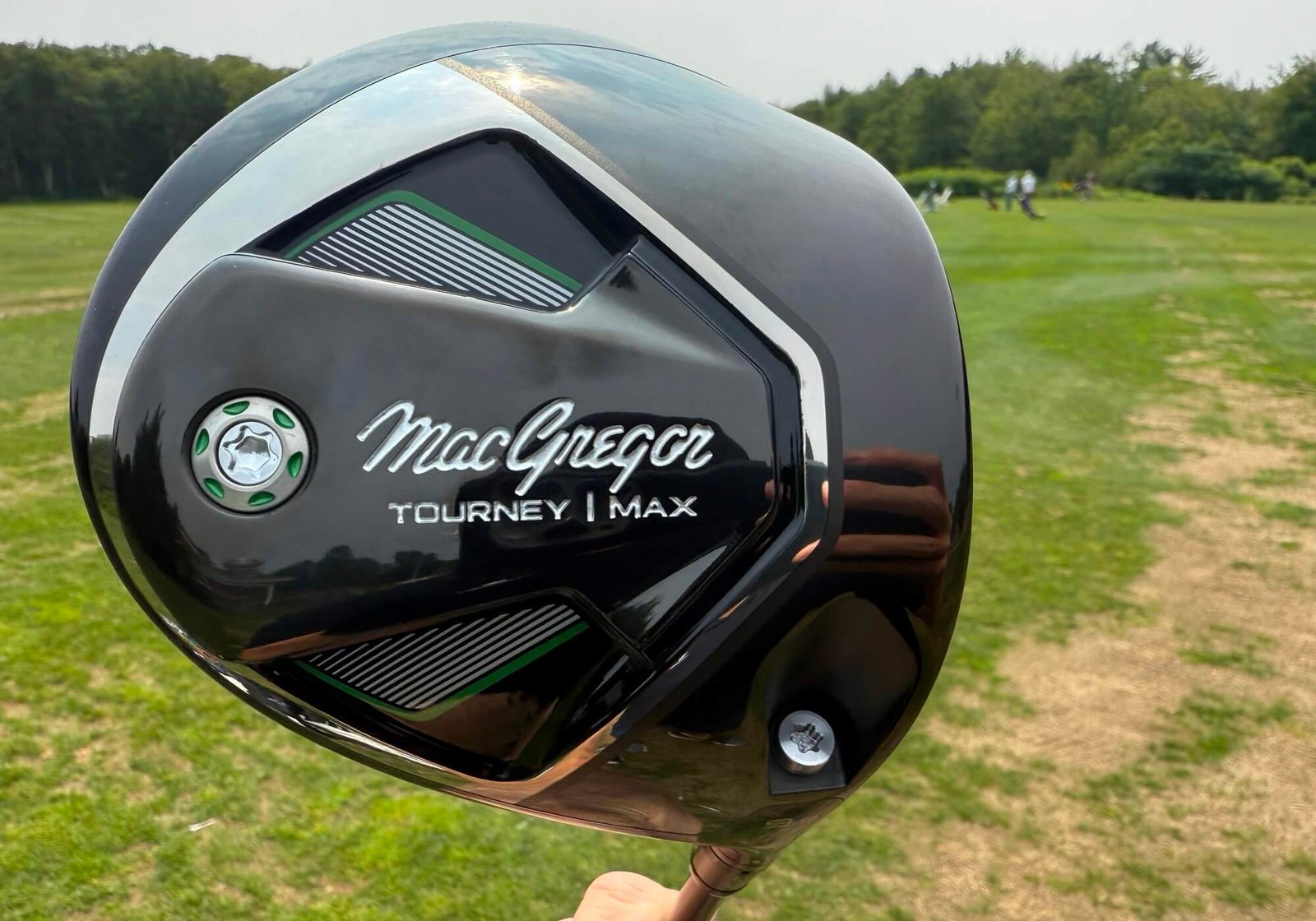
MacGregor Tourney Max — $249
Takomo Ignis D1 — $319
Vice VGD01 — $349
But once you start digging into the full dataset, the more interesting story isn’t the cheapest drivers in the test. The real takeaway is the difference between price and value.

The Takomo Ignis D1 produced the strongest distance numbers among the three lowest-priced models. It finished roughly in the top third of the field at around 250 yards of total distance, putting it closer to many premium drivers than its price would suggest.
What the cheapest drivers did well
The three lowest-priced drivers in the test all showed strengths.
However, tester data revealed a split pattern. For seven testers, the Ignis D1 finished inside their top five drivers for distance while for nine testers it finished in the bottom 10.
That type of result suggests the club fits certain swing profiles extremely well but struggles with others.
The MacGregor Tourney Max showed a different type of value. While it finished lower in raw distance, it delivered strong forgiveness numbers relative to its price.
The Vice VGD01 produced balanced performance across most categories. It did not dominate any single area but stayed competitive across the board. The lowest-priced drivers in the test still proved capable of producing playable results.
But when the entire value segment is examined, the broader story becomes clearer.
What value looked like in this test
The three lowest-priced drivers in the test were not the only clubs worth considering in the value category.
Several other models have recently moved closer to this tier due to pricing changes. Drivers from the Titleist GT lineup, for example, now sell well below many flagship releases from other brands.
That shift makes them relevant in a value discussion even though they weren’t originally introduced as budget drivers.
Including those clubs expands the value segment to 10 drivers in the dataset which reveals a few clear patterns in the results.
Distance value
Several drivers in the value segment produced distance numbers that rivaled many premium models.
Four clubs finished inside the top 11 of the 42-driver field for total distance:
The Vice VGD01+ produced the strongest top-end distance in the value group. However, that distance came with a trade-off. The VGD01+ also produced some of the widest dispersion patterns in the value segment.
The Titleist GT2 finished 11th overall when looking at total distance but, more importantly, it rarely produced poor results for testers. In the tester-level data, it landed in the bottom 10 only three times out of 35 testers, the fewest poor finishes of these “value” drivers in the 2026 test.
Forgiveness value
The Ben Hogan PTx LST and PTx Max produced the tightest dispersion patterns among the value drivers, finishing 9th and 11th overall in shot dispersion across the entire test.
Those tighter patterns mean their shots stayed closer together from swing to swing, which can help golfers keep more drives in play.
The PTx LST also posted the highest overall performance score among value drivers, reflecting strong Strokes Gained results even though its distance numbers sat closer to the middle of the pack.
How value showed up in the 2026 driver test (recap)
| Driver | What It Did Well | What the Data Shows |
|---|---|---|
| Vice VGD01+ | Distance potential | Longest results among value drivers and finished eighth overall in total distance |
| Titleist GT4 | Speed and distance | Top-10 total distance with strong ball speed results |
| Titleist GT3 | Carry efficiency | Strong carry distance and consistent top-10 finishes for many testers |
| Titleist GT2 | All-around performance | Fewest bottom-10 tester finishes and top-11 overall distance |
| Ben Hogan PTx LST | Shot consistency | Tight dispersion and highest Performance score among value drivers |
| Ben Hogan PTx Max | Dispersion control | One of the tightest shot patterns in the value segment |
| Takomo Ignis D1 | Swing-fit potential | Top-five distance for some testers but bottom-10 for others |
| MacGregor Tourney Max | Budget forgiveness | Strong forgiveness score relative to price |
The real value takeaway
The 2026 driver test shows that “cheap” and “value” are not necessarily interchangeable.
Lower-priced drivers can certainly work for the right golfer. But before assuming the cheapest option is the best value, it’s worth getting fitted and comparing it to models that performed well across the testing panel such as the Titleist GT2 or GT3.