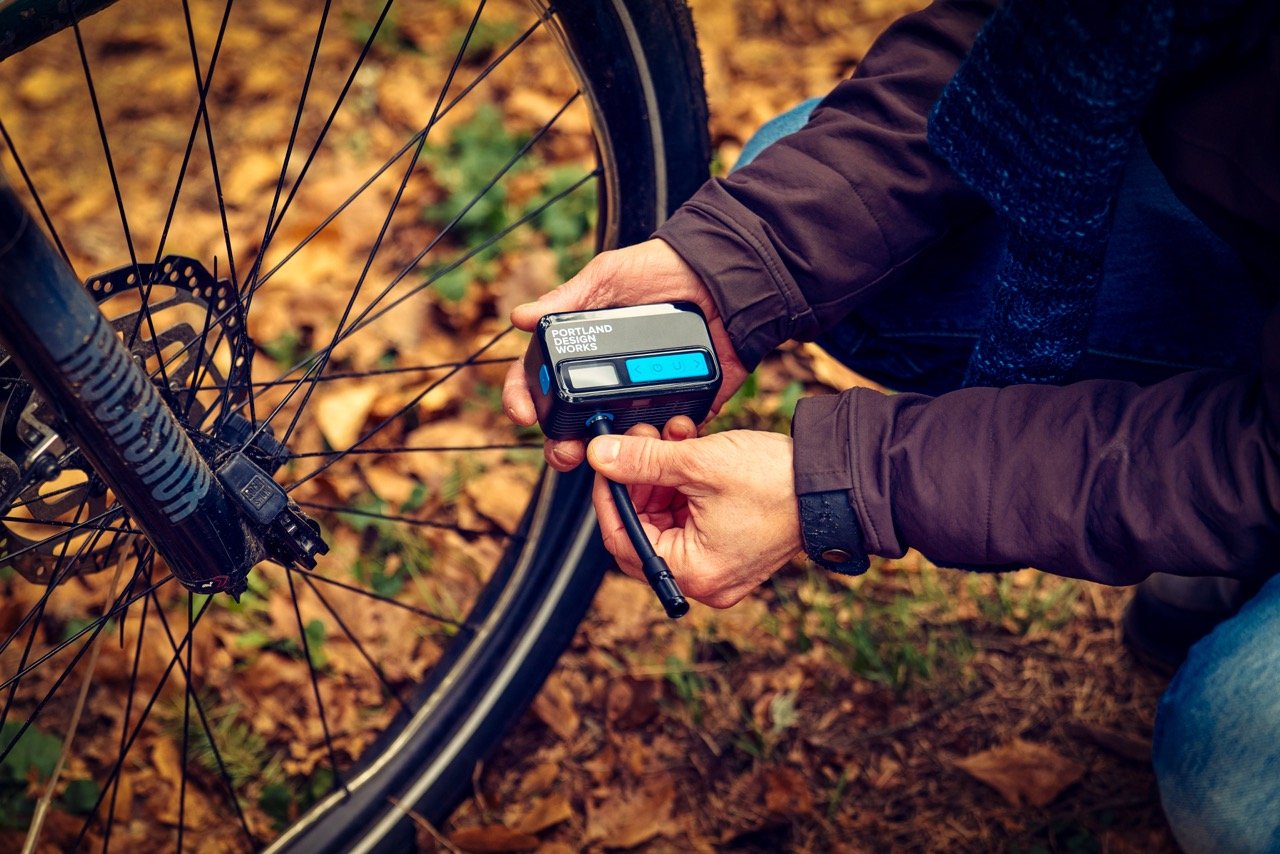
Mini pumps are everywhere. I just recently tried one for the first time, a few weeks ago, and I was pretty impressed. Well, being no stranger to clever, innovative, and helpful bike items, Portland Design Works (PDW) has just thrown its hat into the mini electric pump ring. Introducing the PDW Essentials Electric Pump.
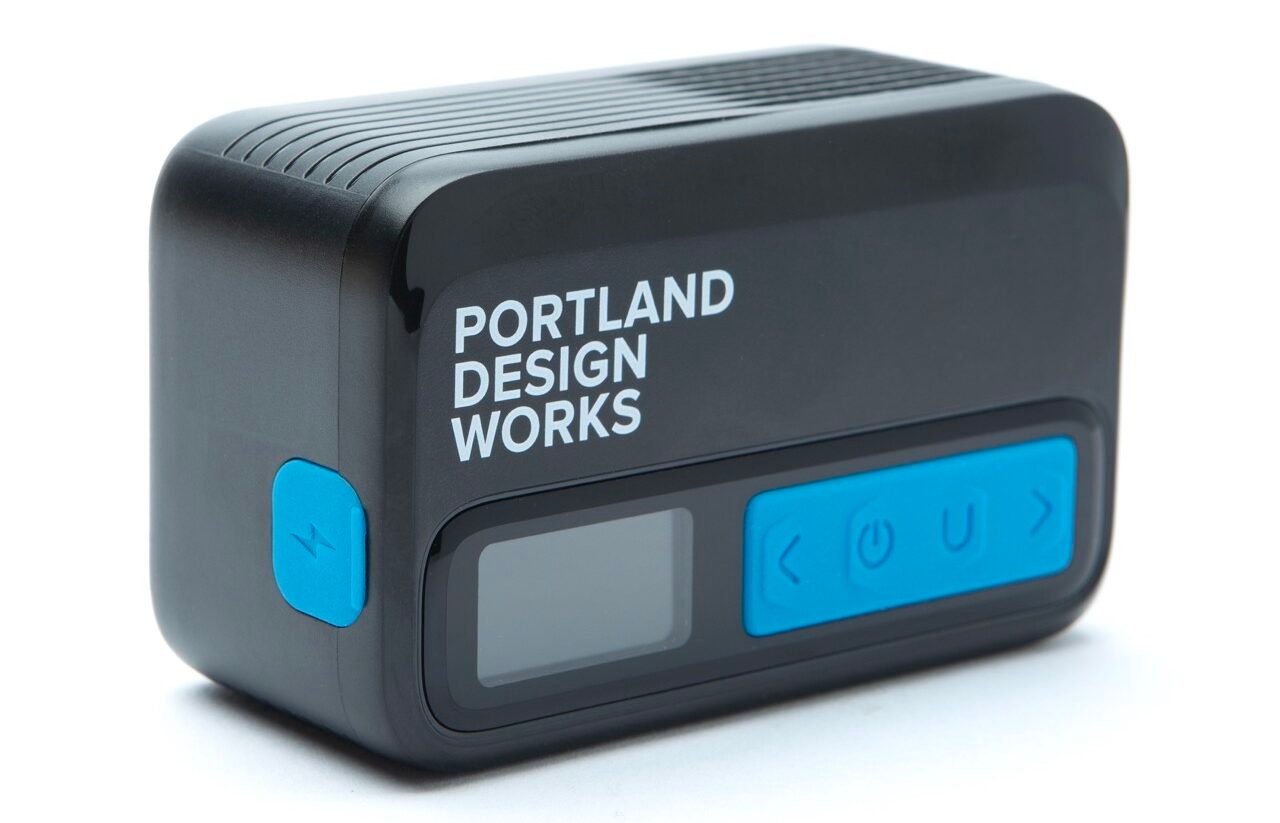
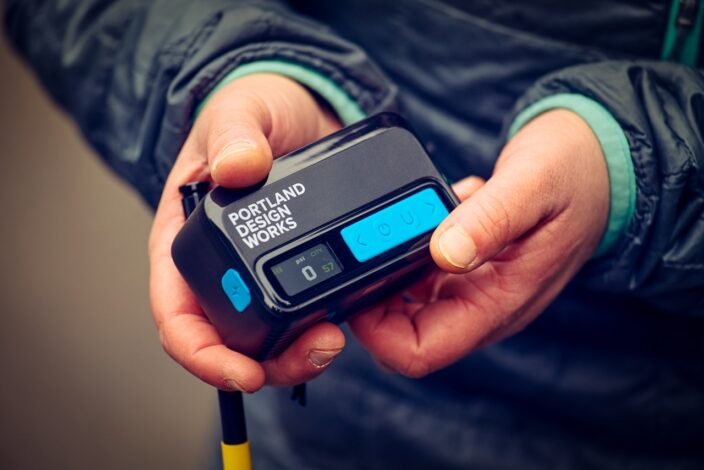
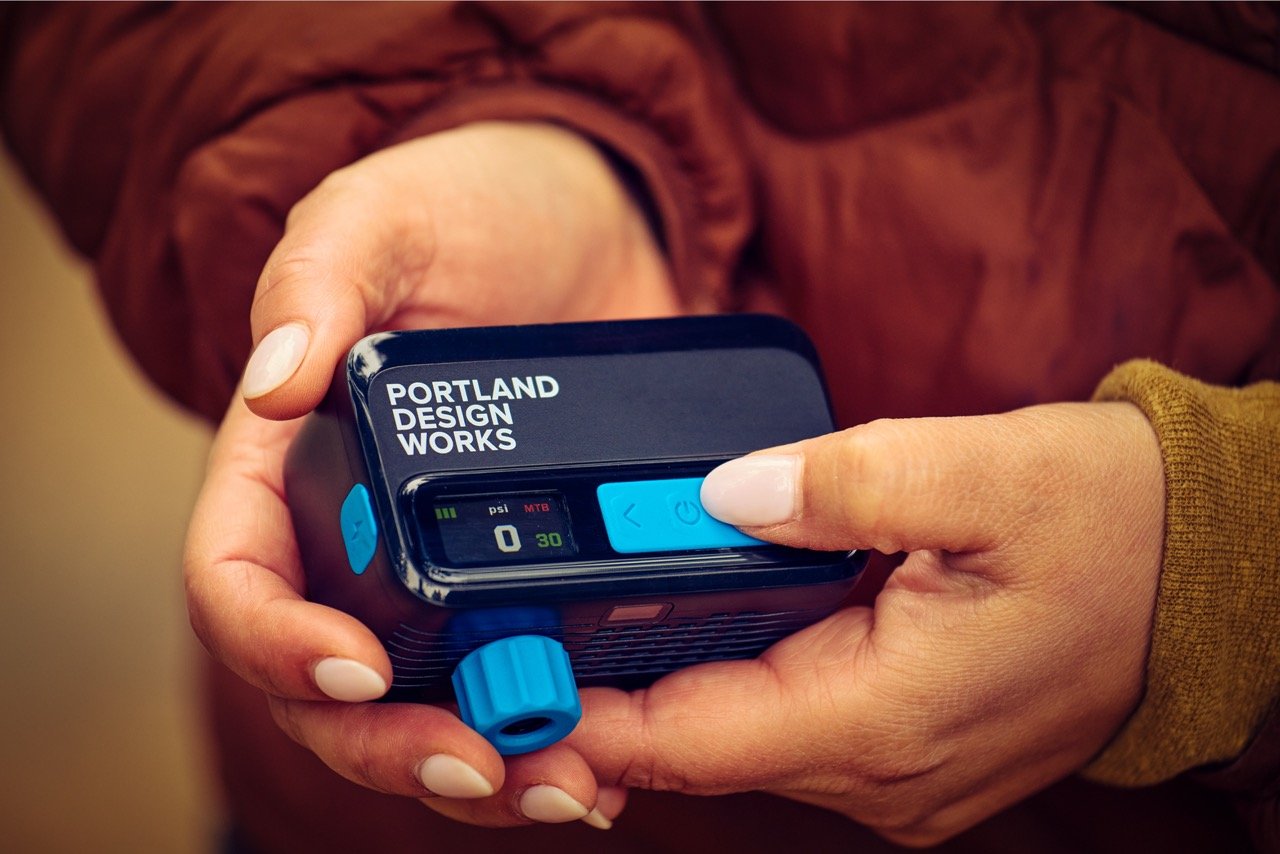
Like most small electric mini pumps, the Essentials Electric Pump lets riders set their target pressure on a digital display. But the PDW pump sets itself apart with the inclusion of four pressure presets for Gravel, MTB, City, and Road. These presets can be adjusted to your preferences with the left/right arrows, and it will remember those changes as you cycle through the settings.
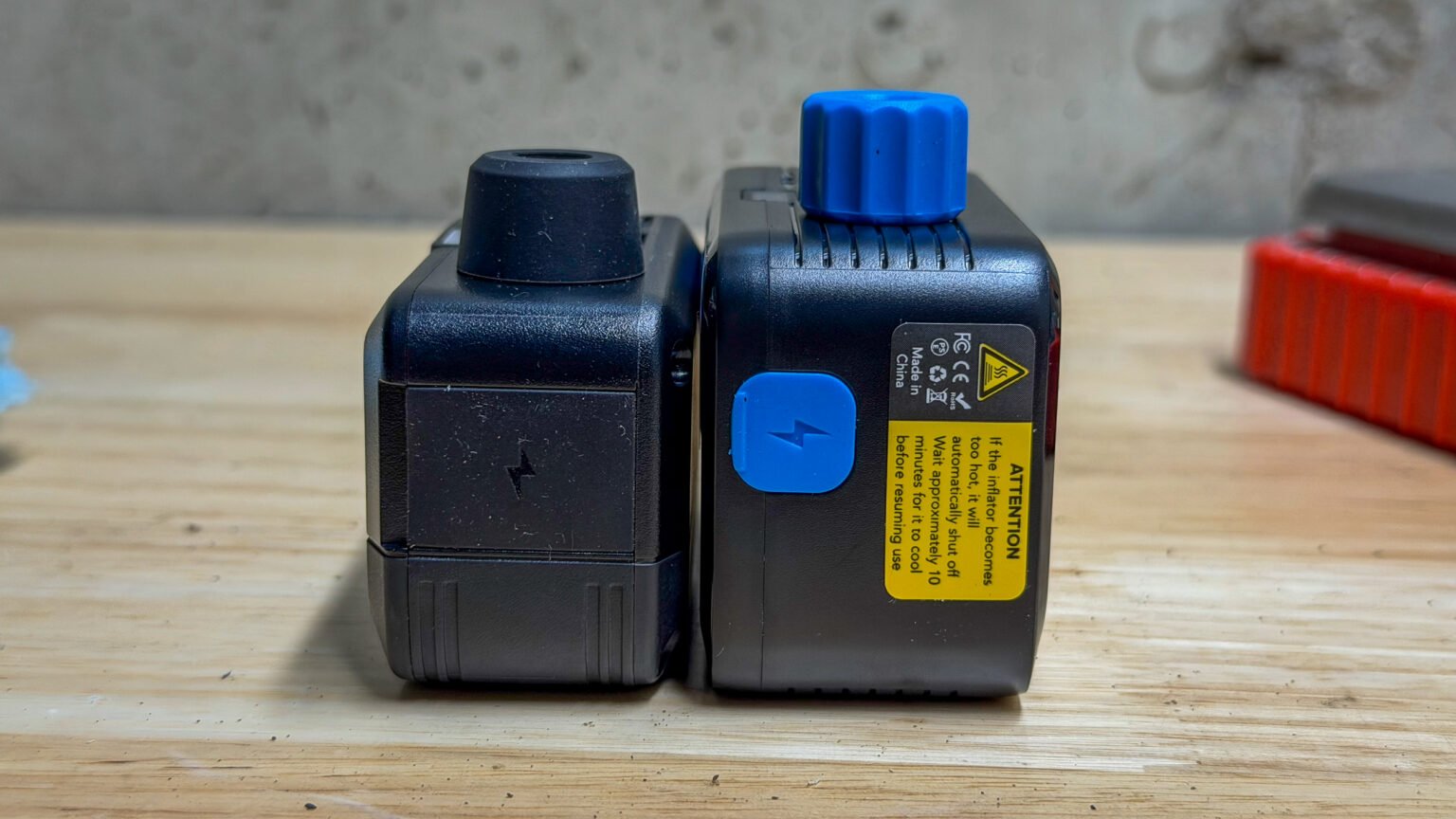
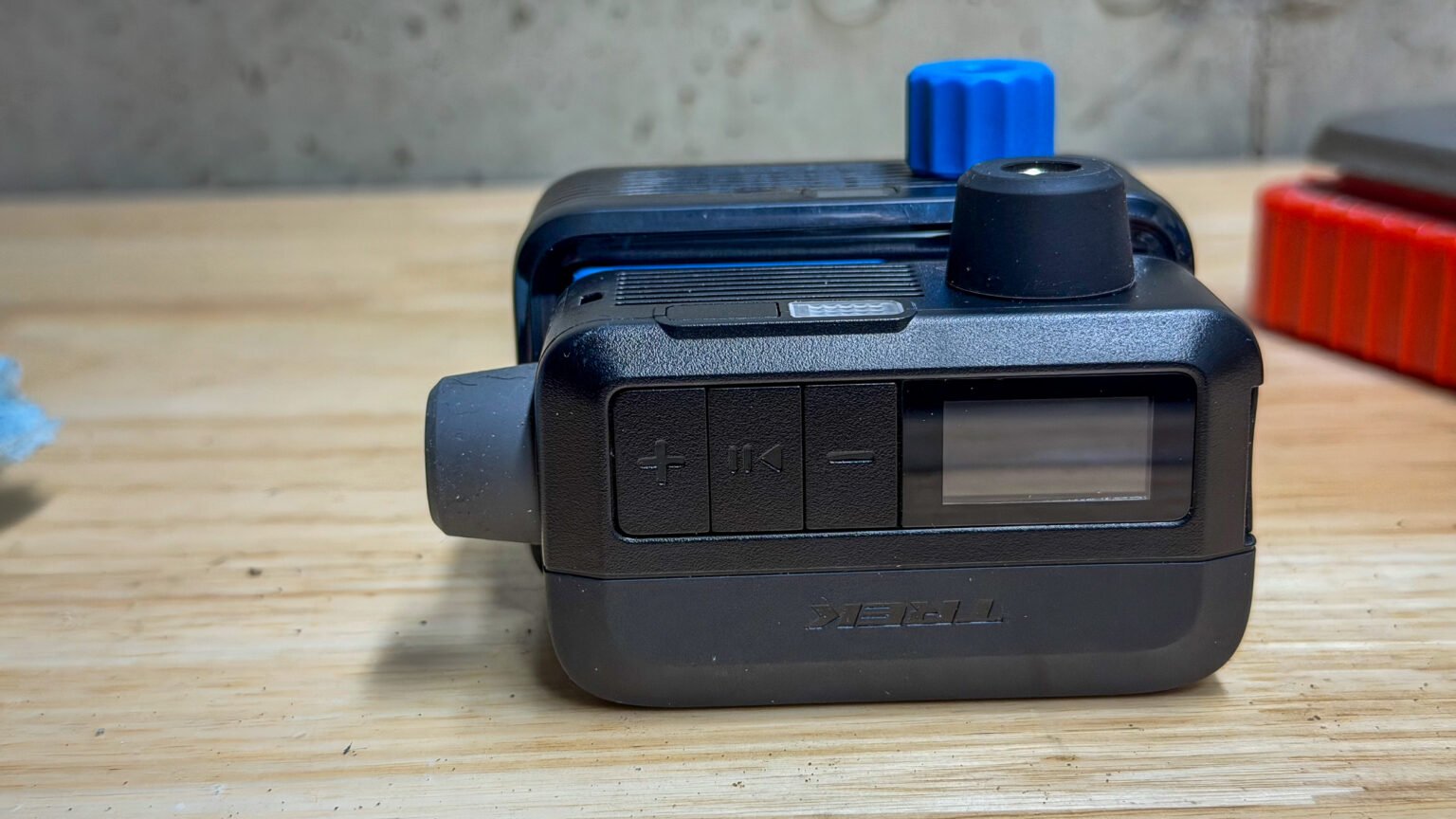
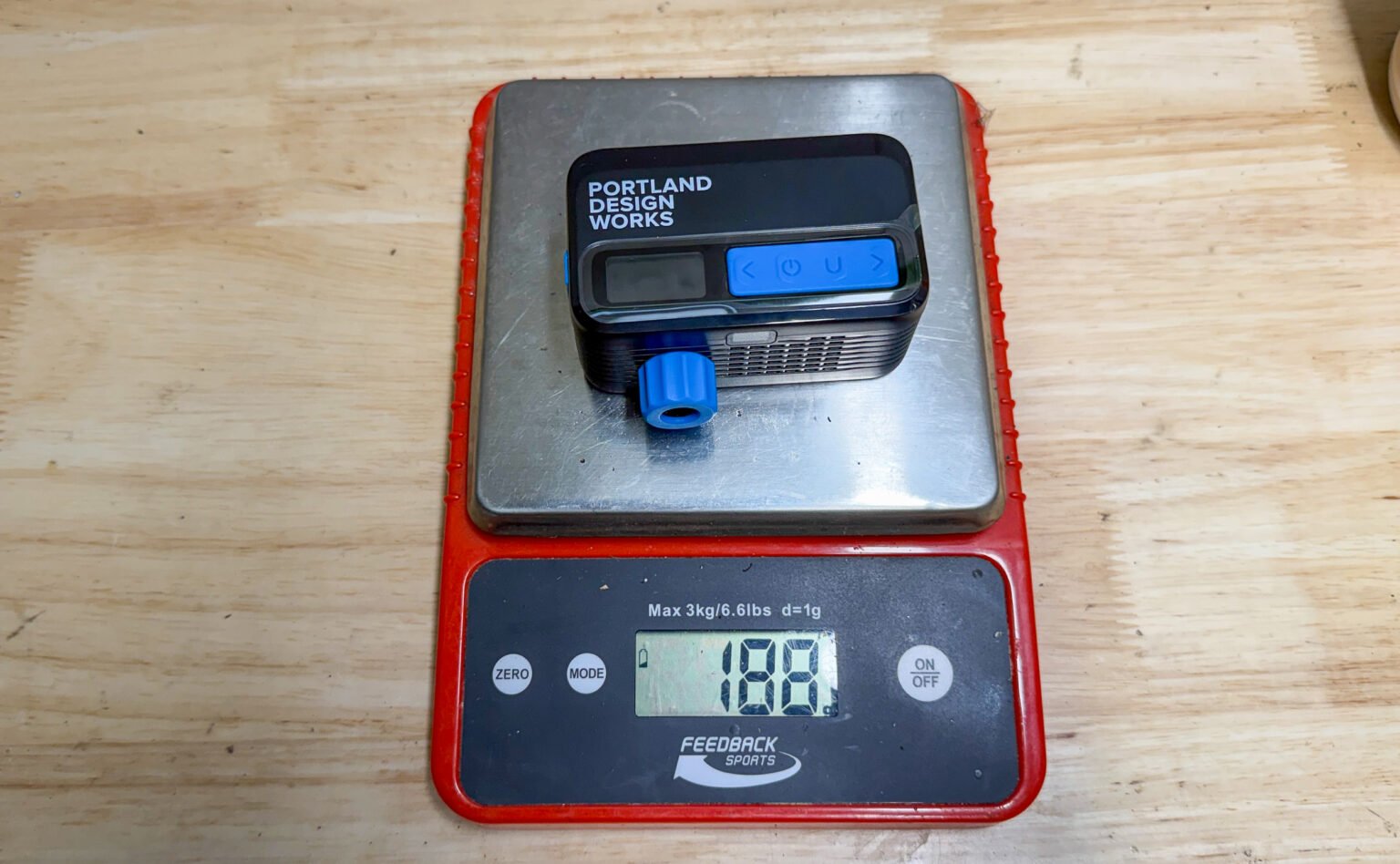
It weighs in at just 188g in its most stripped down form (184g claimed), and fairly small – though not as small as the Trek Air Rush.
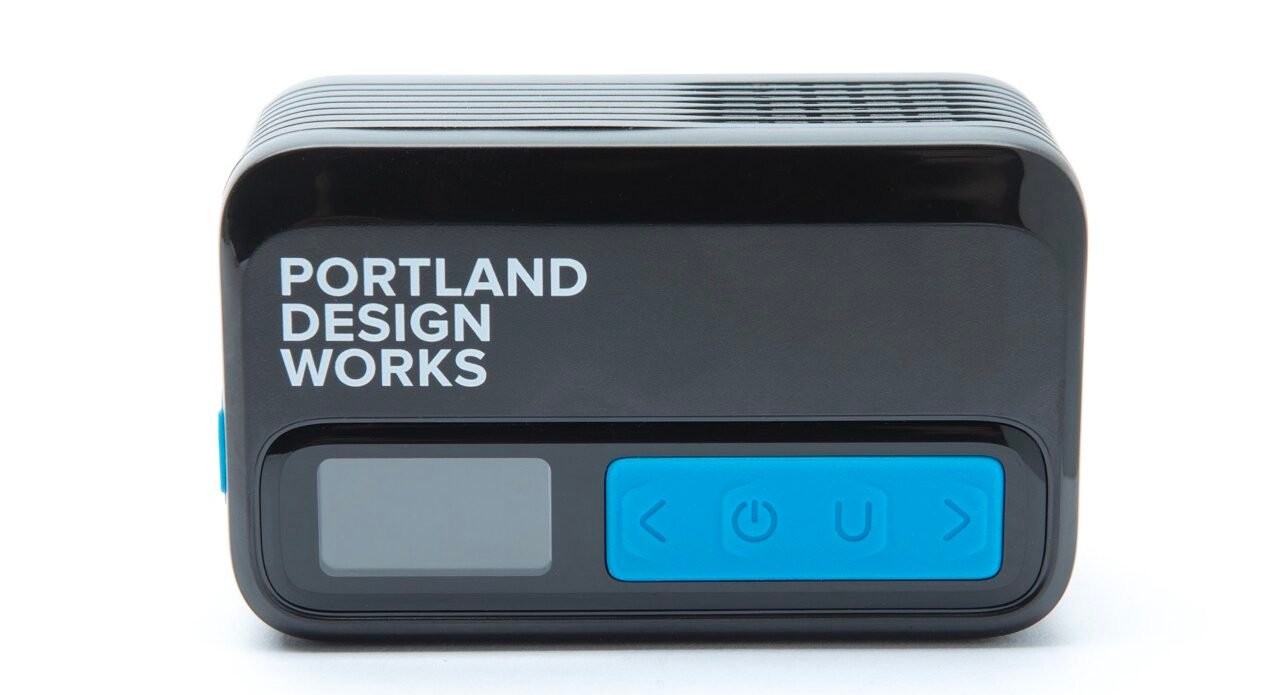
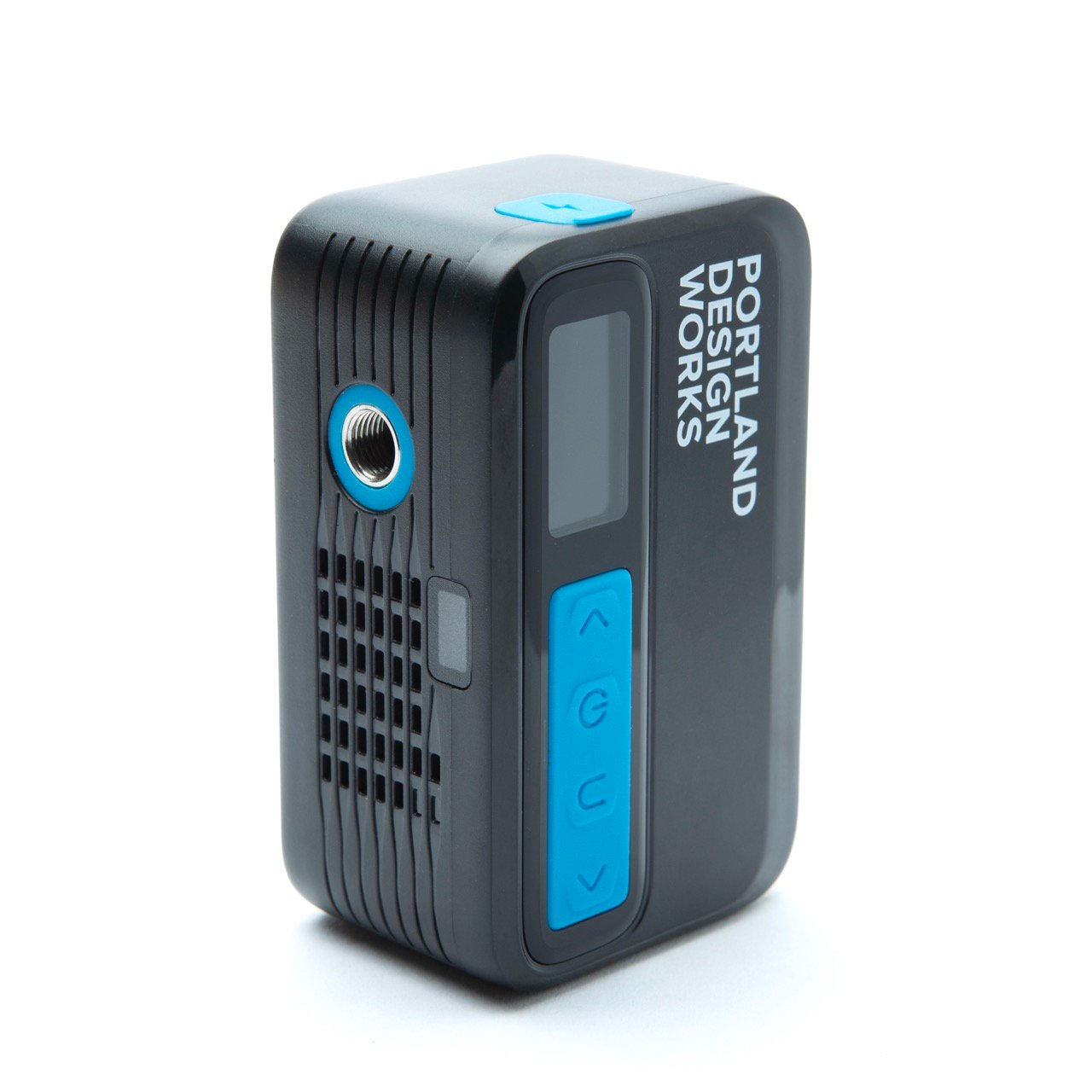
It’s conveniently rechargeable, using a USB-C port. And, the device works with pressures from 2 PSI, all the way to 120 PSI. PDW claims that it can fully inflate 3-6 tires on a single charge, which takes 45-60 minutes to complete. It’s time that mini-inflator brands start publishing the battery capacity of these things, as it’s a key component in how big the inflators are and how many tires they’ll fill. PDW doesn’t seem to list that number anywhere on the site, but it is in the instructions for the pump: 5.55Wh. The Air Rush has a 3.7Wh battery, hence the smaller size.
There is a light on the bottom of the inflator that will turn on if you double-click the ‘U’ button.
How Loud is it?
Most mini inflators are loud enough to startle anyone nearby who’s not expecting it. The PDW inflator is no different, measuring 105dB on our dB Meter app. Compare that to the Trek Air Rush at 100dB, which as a notably higher pitched sound than the PDW. While we wouldn’t recommend turning it on right next to your ear, you’ll be OK without hearing protection for the time it takes to inflate a tire.
The pump is versatile and includes adapters for Presta, Schrader, and needle valves. Additionally, there is an included extension hose for reaching awkward valve positions.
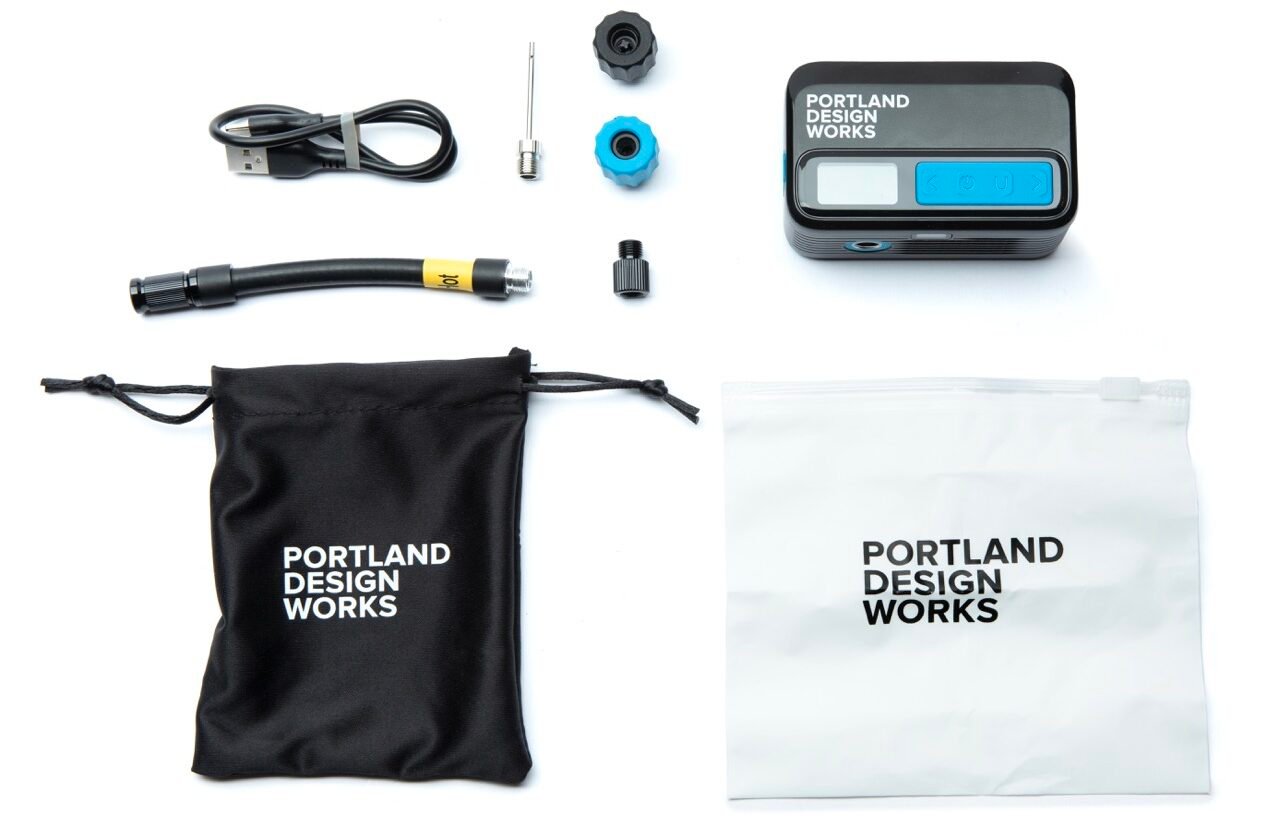
The pump and all of its goodies store nicely in a cool, lil’ watertight bag. So if you’re braving the elements, this handy bag will help keep your pump dry and organized. Just note that the instructions say to wait until the pump cools down to remove the hose and store it, so it will possibly melt that bag if you put it away too quickly.
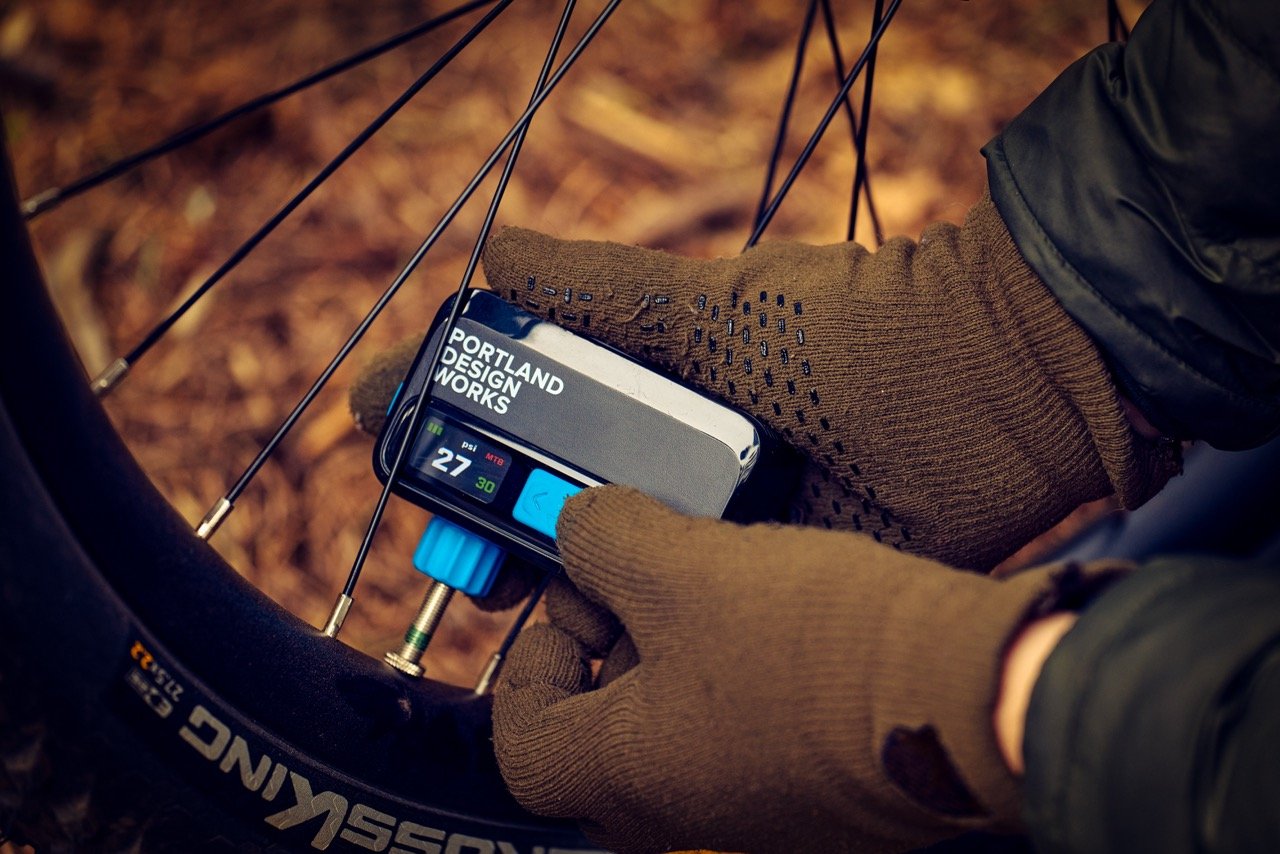
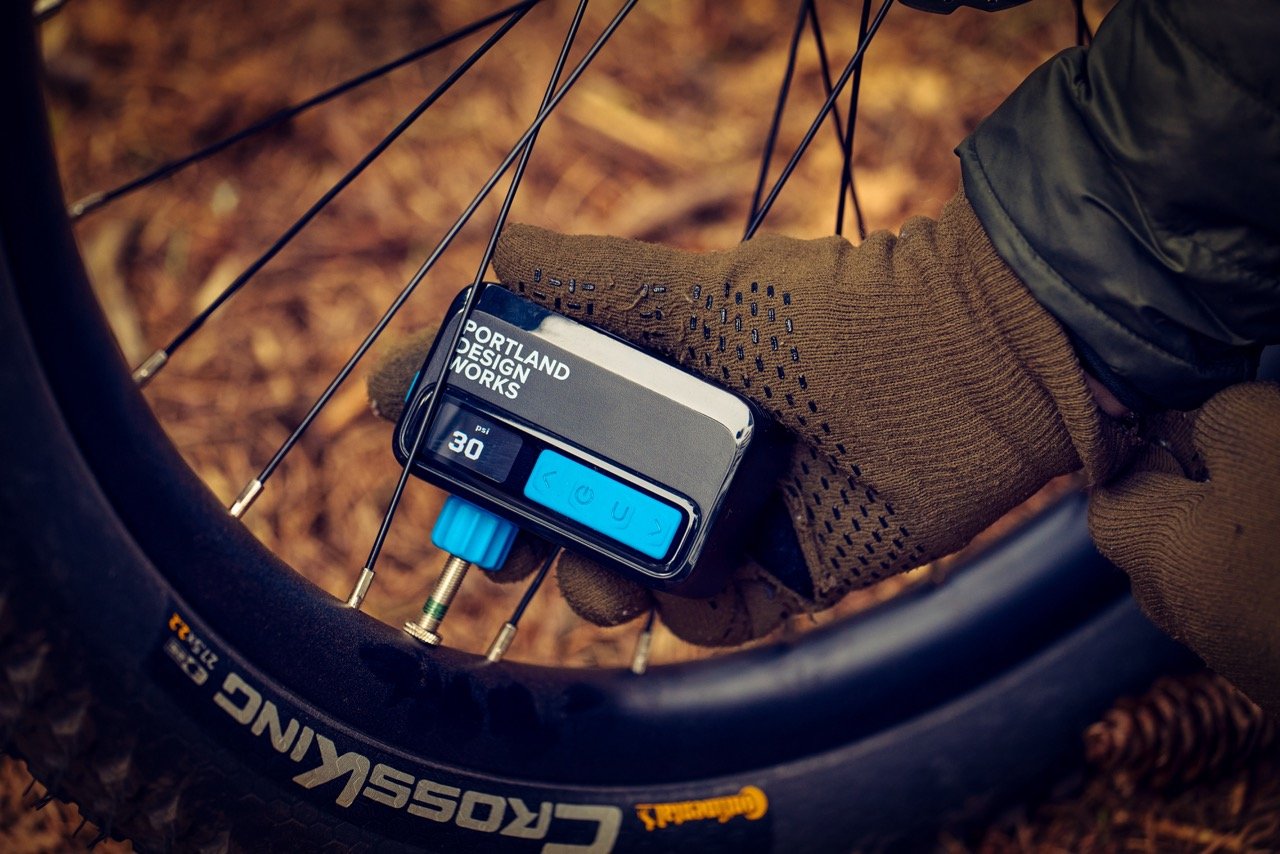
The Essentials Electric Pump has an automatic inflation feature where the rider can set their desired PSI and focus on other pre-ride tasks, rather than standing over a regular pump. As mentioned, there are four presets that you can use: MTB, GRVL, CITY, and ROAD. These are the only pressure settings you can use, so you will have to select one of them, set your desired pressure, put it on the valve, and hit the power button to inflate. Once it reaches the desired pressure, it will turn off.
You can also hold down the ‘U’ button to change pressure units from PSI to Bar, to KPA, to kg/cm2.
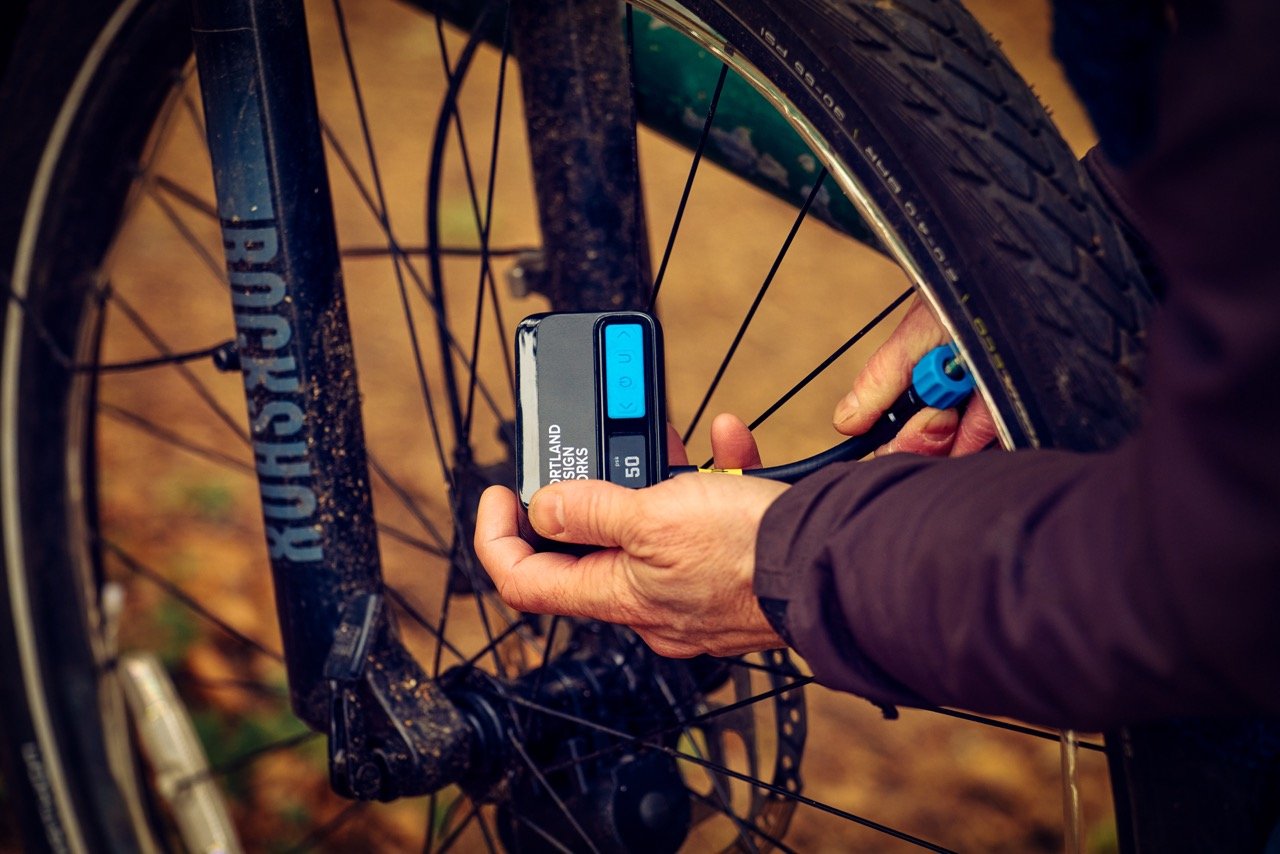
Essentials Electric Pump Retail & Detail
Retail: $85
- 6.5 oz (186g)
- 86 x 38 x 52mm / 3.4 x 1.5 x 2.0″
- USB-C Charging: 45-60 minutes to full charge
- 5.55Wh battery capacity
- 2-120 psi
- Fully inflates 3-6 tires on one charge.
- Lifetime Warranty
The Essentials Electric Pump includes a charging cable, soft and watertight storage bags, an extension hose, Presta, Schrader, and needle valve adapters.
Pump Chart
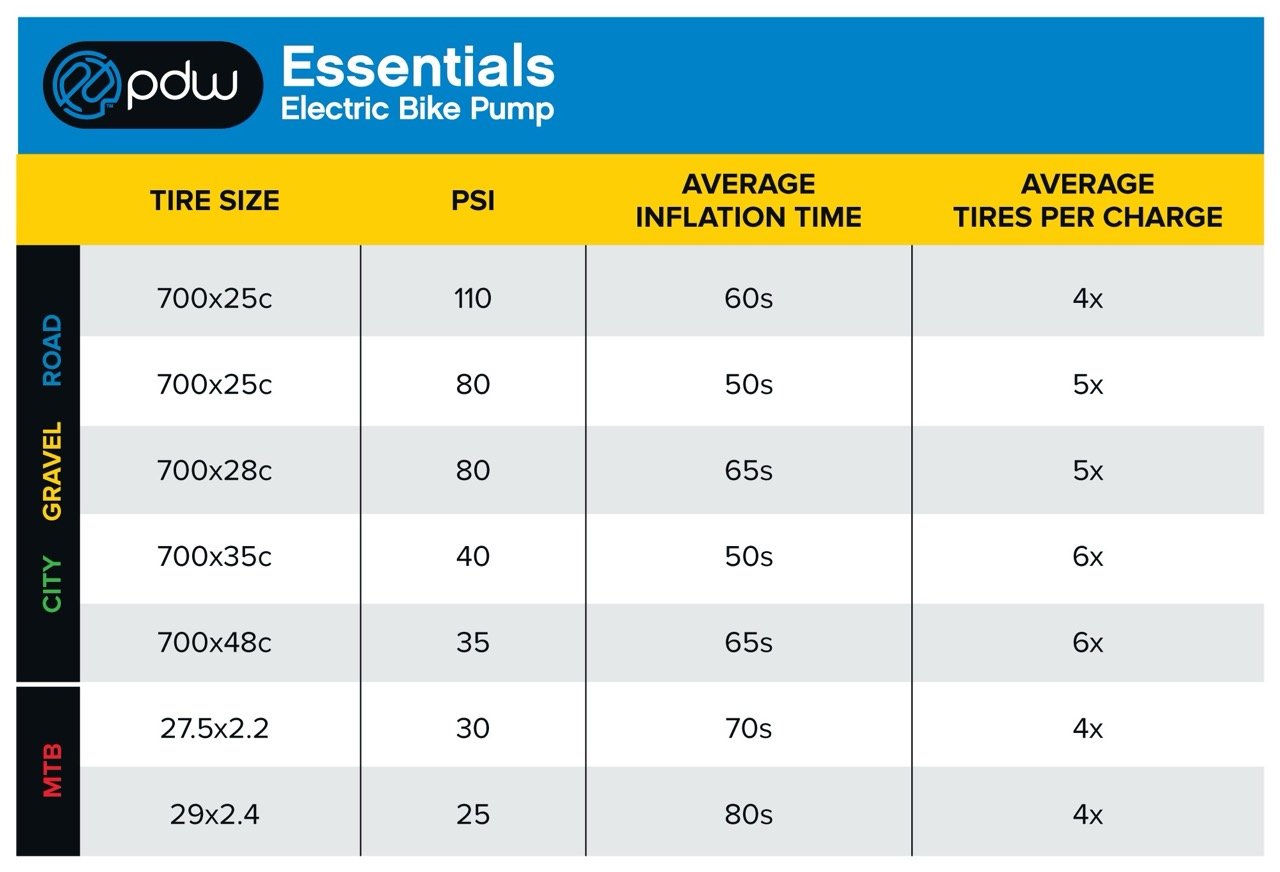
Who is the PDW Essentials Electric Pump For?
For most cyclists, this electric pump offers convenience for regular tire maintenance and trailside repairs. The compact size fits easily in a bag, backpack, jersey pocket, or hip pack. The multiple chucks for different valves means it works across different bike types. The quick charging time and bigger capacity per charge make it practical for your whole stable.
The ideal customer for this inflator is someone who wants a fairly small inflator, but doesn’t mind giving up some size and weight for a larger battery. It will also be great for riders who have multiple bike styles they will use it on, and want to be able to keep pressure presets ready to go. It’s also one of the more affordable inflators on the market, so anyone who appreciates a good value is sure to be happy here.
As part of the company’s 1% For The Planet membership, a portion of sales supports environmental nonprofits. Check out all of the great bike stuff PDW has to offer by hitting the link below.
RidePDW.com
The post Portland Design Works Joins the Mini Electric Pump Game with New Essentials Electric Pump appeared first on Bikerumor.