Improving your cycling is never easy. You must put in the physical work. But no one ever said that you need to accept discomfort as part of the journey. And when it comes to the crucial linkage between body and machine, the pedal connection often goes overlooked as the root of any issues.
Phil Burt breaks it down in simple terms: “Pedaling is really just walking on a bike,” he says, “so the pedal system has to reflect how that rider naturally moves.”
Burt’s take is that riders should not have to adapt their bodies to match their pedals. It should work the other way around: The right system should (and can) properly re-align a rider to reduce strain, prevent injury, and boost performance. Burt should know; he literally wrote the book on Bike Fit, having helped earn over 30 Olympic medals and five Tour de France victories, serving as the Head Physiotherapist for British Cycling and a consultant for Team Sky.
As a pioneering expert in solving riding’s physio puzzles, the British bike fitter-innovator is a fierce advocate for upgrading to pedals that optimize your strengths and that reflect your preferred movement pathway. Here’s what Burt has discovered by converting to Speedplays, and the impact he sees with what he considers the industry’s only truly custom pedal system.
Learn more about Speedplay Zero
Learn more about Speedplay Power
BIKERUMOR: What are the main problems you see with elite athletes on the wrong pedals?
PHIL BURT: The biggest issue is usually not a simple power number you can measure; it is pain, compensation, and inefficiency. If the pedal system or cleat setup does not suit the rider, you tend to see the overuse issues of knee pain, hip pain, IT band tightness, rocking on the saddle, and asymmetrical movement. If the foot cannot move as the rider naturally wants to, the stress gets pushed up the chain.
What was your first impression switching over to Speedplay?
For most riders, Speedplay feels unusual at first because it is so much less constrained. I always say it can feel like pedaling on an ice cube for the first ride or two. But once riders adapt, they usually realise how restricted they were before. The common feedback is that the bike starts moving with them rather than against them. And from my side, you often see excessive knee movement settle down very quickly once the rider is allowed to move more naturally.
With prolonged use, what are the gains of adopting Speedplays into the full fleet?
The long-term gain is not always about some dramatic, instant jump in peak power. More often, the biggest gain is allowing the rider to pedal more naturally, more comfortably, and more consistently. In elite sport, that often means fewer recurring issues, less physio input, and a better chance of holding aggressive positions without the body fighting back. It is not always about one dramatic jump in watts — it is about removing the barriers to performance.
Did the pedals have a particular impact with any team riders?
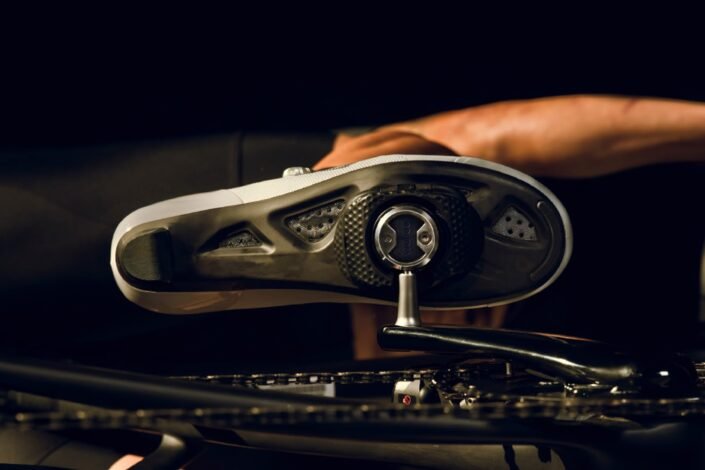
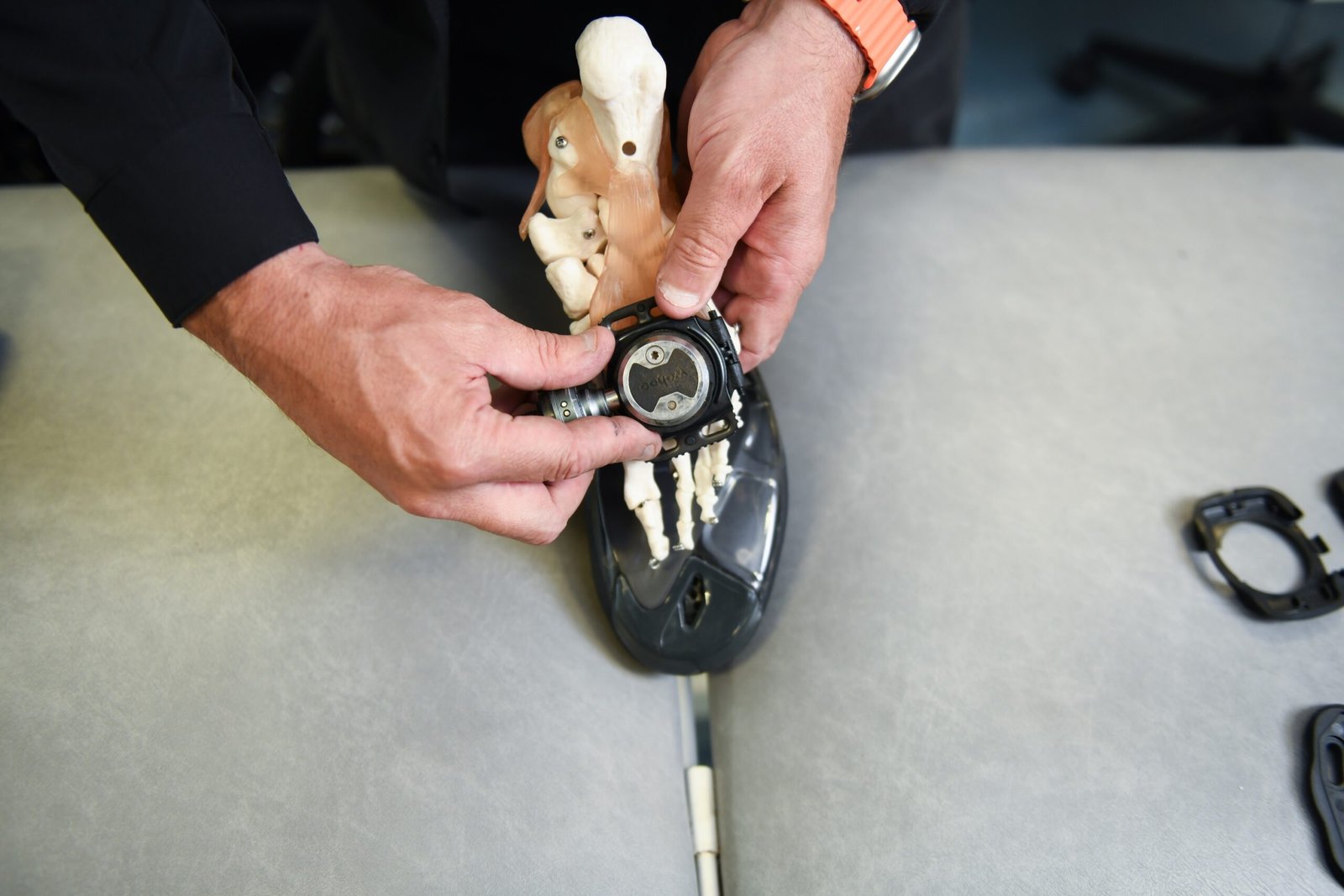
Bradley Wiggins is a good example: as he accumulated miles and got older as an athlete, his hip started to kick out more. Changing to Speedplay helped that immediately because it gave him the freedom he needed. We also used Speedplay in the Rio team pursuit setup because the lower stack height and aerodynamic profile were genuine advantages, especially when you are trying to hold a very aggressive position. If the pedal lets the foot, knee, and hip sit more naturally, it becomes much easier to sustain that position and perform in it.
Which type of rider is best suited for these pedals?
Any rider who feels they are struggling to pedal naturally, fighting the pedal system. If you come off the bike with tight knees, move your feet around excessively, struggle with asymmetry, clip the cranks with your heels, or feel your knees are not tracking naturally, Speedplay is worth a serious look.
Is their benefit a function of how much time you spend riding?
It is less about hours ridden and more about whether your current setup is letting you pedal the way your body wants to. Speedplay is particularly useful for riders who need more float, more freedom of movement, or more options around stance width. That can apply to elite athletes in aggressive positions, but it can just as easily apply to everyday riders carrying old injuries or simply trying to get comfortable.
What about mere mortal recreational riders? Why should they care about pedal fit and connection?
In many ways, recreational riders should care even more. Elite riders often have the resilience, support, and time to work around a poor setup. Most ordinary riders do not. A pedal system that gives you more freedom to find a natural, pain-free movement pattern can make riding more comfortable, more sustainable, and more enjoyable.
Any overlooked Speedplay features you really enjoy?
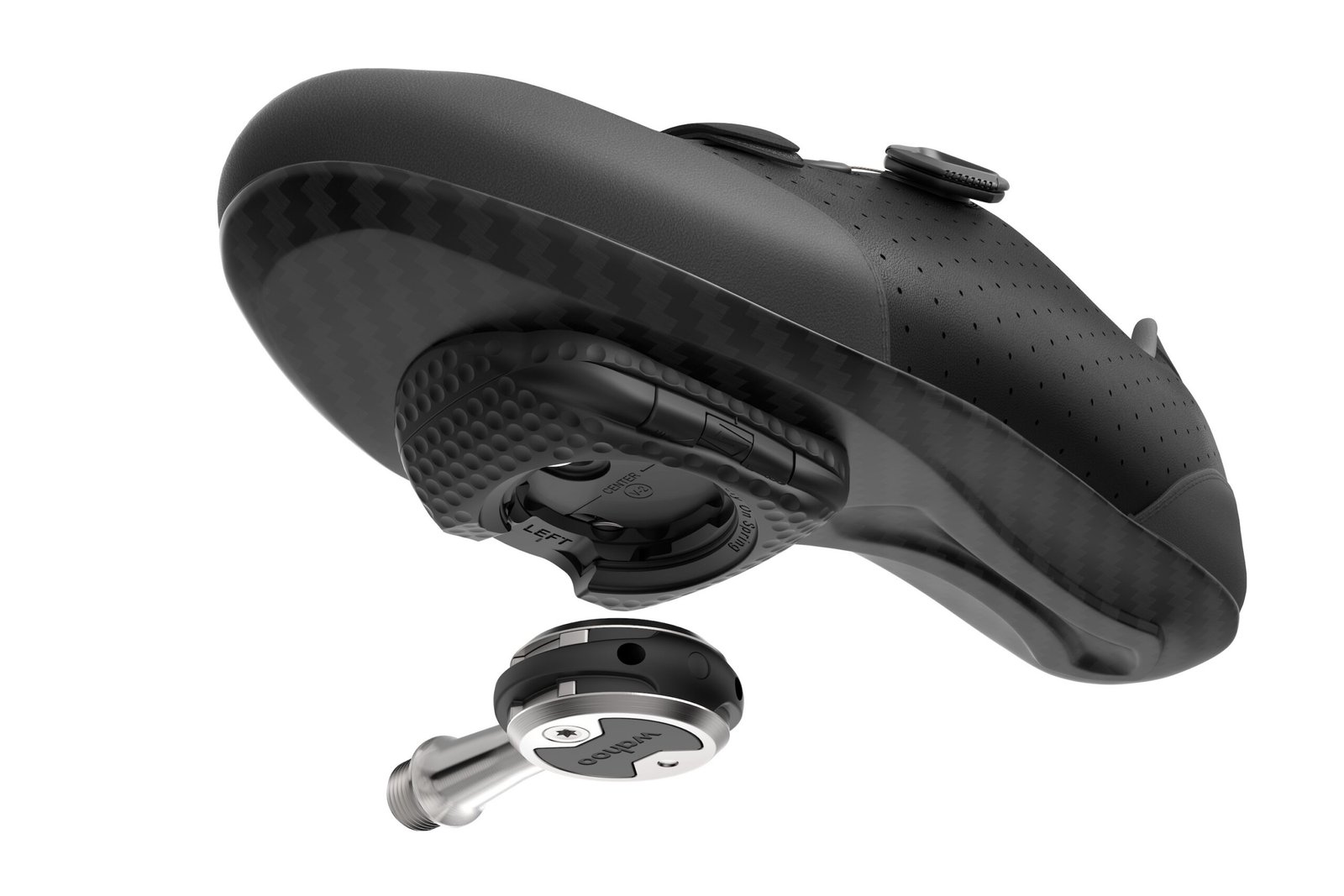
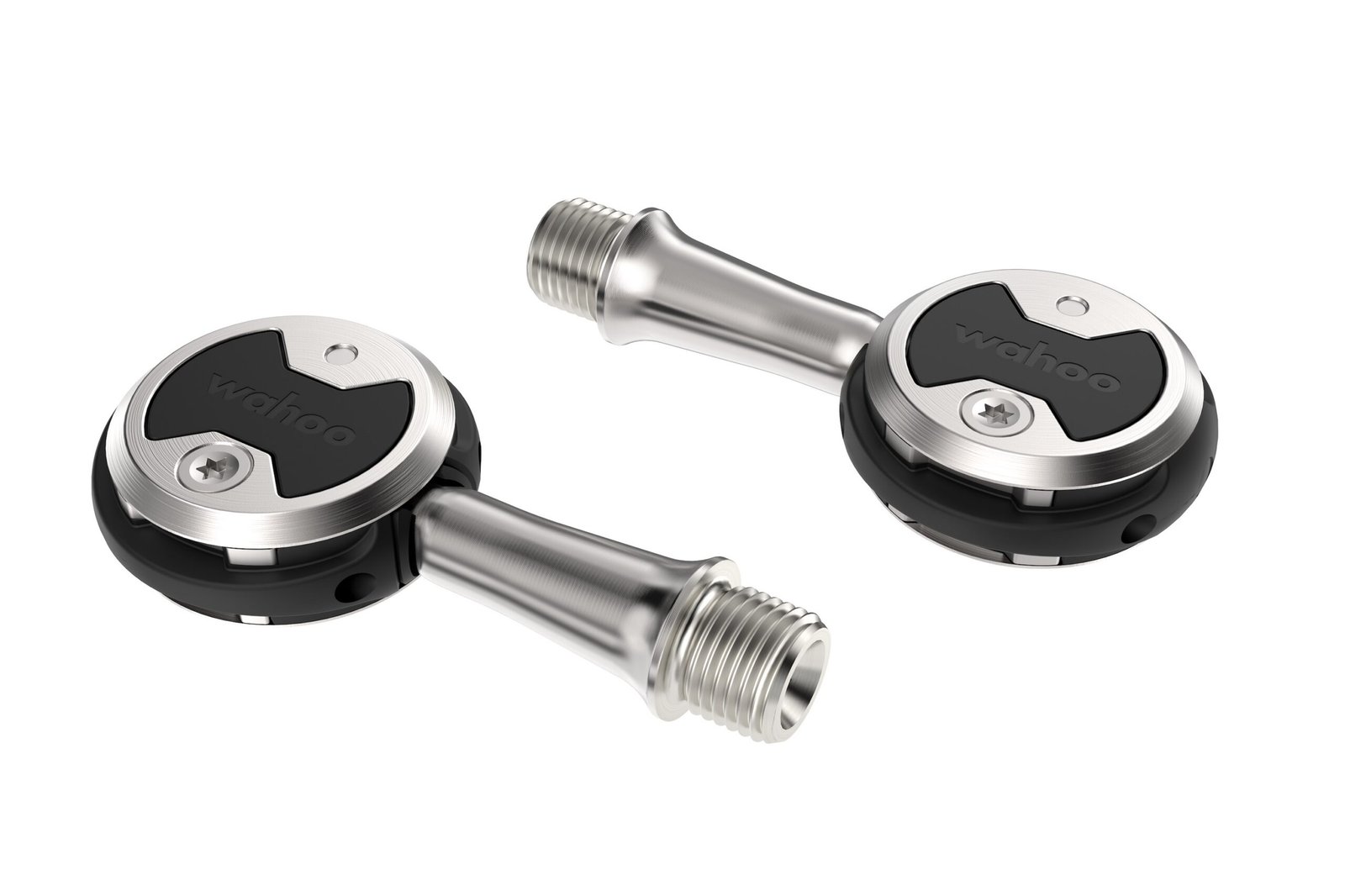
The most overlooked feature is stance width. I think stance width will be the next big conversation in bike fit, because not every rider wants to stand or pedal at the same width. Speedplay gives you meaningful options there — the variable spindle widths help you line the foot up properly under the knee and hip — and that can be a game changer. Add in the low stack height, aerodynamic shape, and tunable float, and it becomes a very complete system. It is the only truly bespoke, custom pedal system, in my opinion.
The real intangible, though, is simple: once it is set up properly, riders often stop noticing the pedals altogether. And that is usually a very good sign, because it means the bike is finally working with them rather than against them.
This article is sponsored by Wahoo.