When the System Doesn’t Work for the Athlete
There is a moment every track and field athlete eventually reaches, and it does not come on the podium or at the finish line, but somewhere in between contracts, conversations, and quiet decisions about what comes next. It is the moment when talent meets reality, when the love for the sport begins to intersect with the need to make a living, and when the structure around athletics starts to feel less like a pathway and more like a barrier.
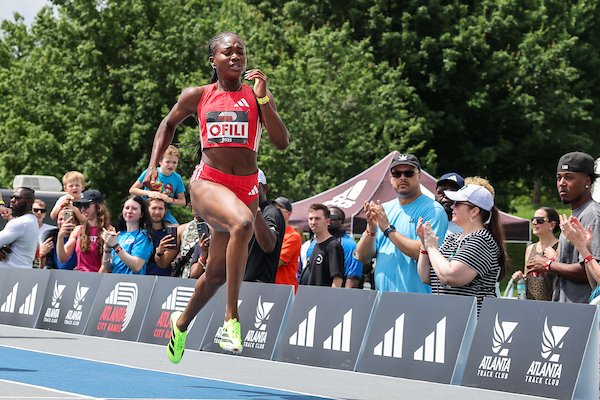
That moment sat at the center of World Athletics’ recent decision to deny the transfer of allegiance for 11 athletes seeking to represent Türkiye. The list included names from Kenya, Jamaica, Nigeria, and beyond, among them Favour Ofili, Wayne Pinnock, and Rajindra Campbell, all athletes who have already established themselves at the highest level of the sport. Their applications were reviewed together, and the panel concluded that the moves were part of a coordinated effort backed by the Turkish government to recruit international talent ahead of future competitions, such as the Los Angeles 2028 Olympics.
The decision focused on protecting the credibility of international competition, maintaining the idea that national teams should reflect domestic development, and ensuring that allegiance is not reduced to a transaction. Those principles have long been part of athletics, and they carry weight in a sport that still leans heavily on national identity. Yet, for the athletes involved, the decision lands in a very different place, one shaped by financial realities, limited opportunities, and a system that continues to ask for loyalty without always providing support.
Track and field lives in a space that feels suspended between two worlds. The Olympics and the World Championships remain their biggest stages, and they carry with them the traditions of amateurism, where representing your country is seen as the highest honor. At the same time, the sport operates in a professional era where athletes train year-round, sign contracts, manage endorsements, and build careers that depend on income, stability, and long-term planning. That tension is not new, but it has become more visible as the gap between effort and reward continues to widen for most athletes.
For a small group at the very top, the system works. Athletes like Noah Lyles or Sydney McLaughlin-Levrone have built careers that extend beyond the track, supported by major endorsements and global recognition. Their performances translate into financial security, and their names carry value in the marketplace. Their reality, however, represents a narrow slice of the sport. Beneath that level exists a much larger group of athletes who compete at a world-class standard yet operate without the same financial backing, often relying on inconsistent prize money, limited sponsorships, and federation support that varies widely from country to country.
The structure of athletics contributes to this imbalance. Unlike leagues such as the NBA or the English Premier League, where media rights and revenues are centralized and distributed across teams and players, track and field is fragmented. The Diamond League provides a global circuit, yet each meet operates independently, with its own financial model and limited prize pools. Road races and one-day meetings offer additional opportunities, but they do not create the kind of consistent income stream that allows athletes to plan with certainty. Contracts with shoe companies remain closely tied to major championship performances, which, in turn, depend on selection by national federations.
That connection between federation and opportunity creates a layer of complexity that few other professional sports carry. An athlete’s ability to compete at the Olympics or World Championships depends not only on performance but also on selection processes, administrative structures, and the broader health of their national system. For athletes who feel unsupported or overlooked, the idea of representing another country becomes less about identity and more about survival, about finding a structure that allows them to continue their careers with stability and respect.
The attempted move to Türkiye fits within that context. The offer of citizenship, financial backing, and structured support through a government-funded club presents an option that aligns with how professional athletes in other sports operate. It creates a pathway where performance is directly linked to opportunity, and where the day-to-day realities of training and competition are more reliably supported. The response from World Athletics reflects a commitment to preserving the traditional framework of the sport, yet it also highlights the distance between that framework and the lived experience of many athletes.
There is a deeper question that sits beneath all of this, one that does not resolve easily. What does it mean to build a career in a sport that asks for full professional commitment while holding onto structures that limit professional return? Athletes train with the intensity of professionals, compete on global stages, and carry the expectations of national representation, yet many navigate a system that does not consistently reward that level of dedication.
The denial of these transfers does not close the conversation. It brings it into sharper focus. Athletes will continue to look for opportunities that align with their needs, and governing bodies will continue to protect the principles they believe define the sport. Somewhere in between lies the reality that track and field must eventually reckon with its own structure, not only in its rules and regulations, but also in how it supports the people who give it life.
For now, the athletes remain where they are, still competing, still training, and still searching for ways to make the sport work for them.