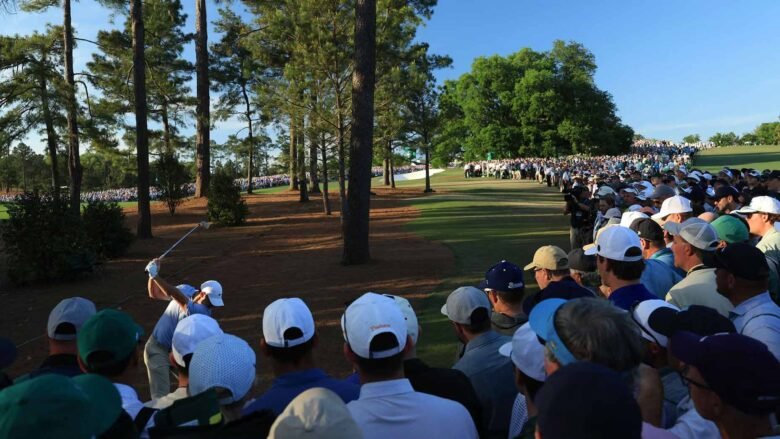
One piece of gear has gone 14 for 14 this year on the PGA Tour, including Rory McIlroy’s back-to-back triumph at the 2026 Masters. Every single winner has chosen replaceable traction, spiked footwear.
Here’s three reasons why more pros choose spiked footwear over spikeless footwear, and two secrets from the PGA Tour you may not know about golf spikes.
What you need to know:
The obvious traction benefits:
Spiked footwear provides more traction for players in all conditions. Think past just debris, mud or wet conditions to uneven lies, hazardous ground conditions and less than optimal turf. Spikeless shoes may be okay on a dry day with a flat lie, but spikes will always be superior when traction is an essential part of success. Standing on a side hill lie, stepping up to a half grown teebox, or even Rory’s risky approach this year on 18 at Augusta are all moments where spikes aren’t just a better option; they’re mandatory.
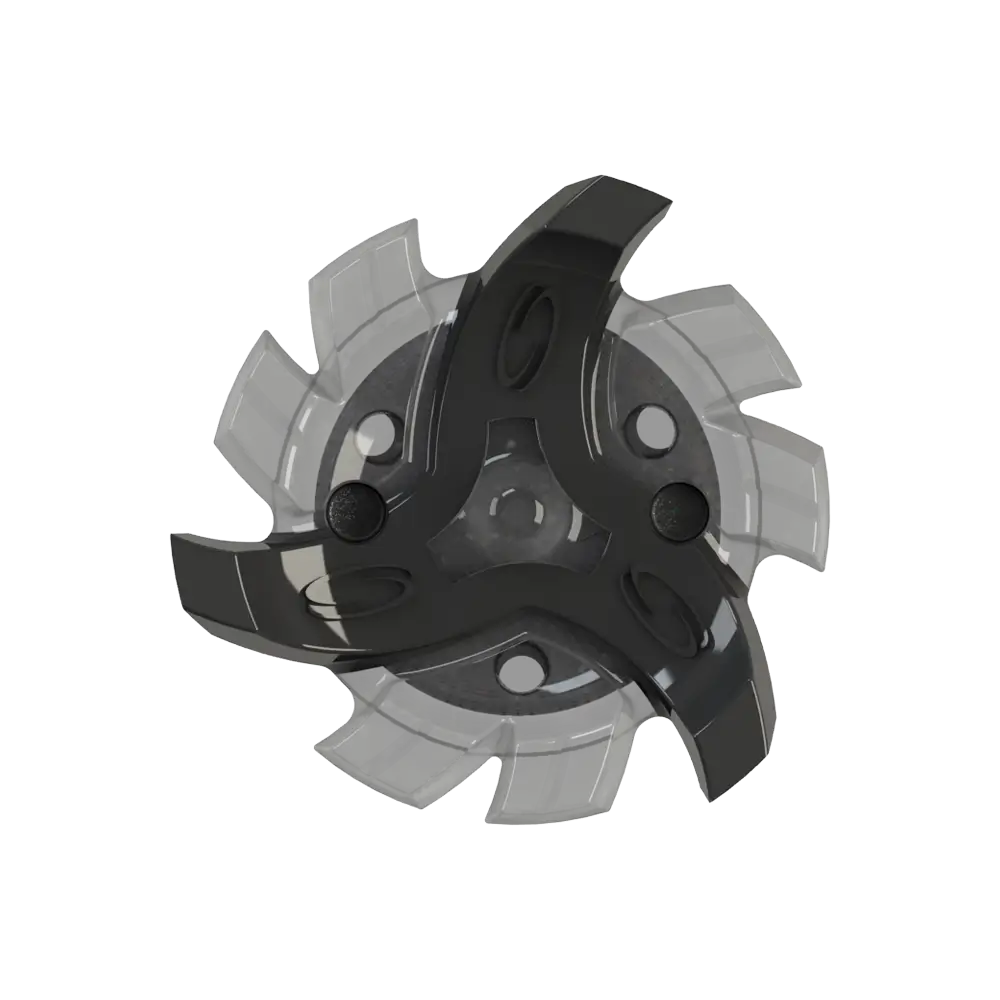
Tour Flex Pro Golf Spikes (Fast Twist® 3.0) | Black/Charcoal
The next generation of traction technology is here. Three degrees of traction, ten points of contact, engineered to deliver incredible control and unmatched stability. Featuring out exclusive center stinger post, Tour Flex Pro is the perfect combination of traction, comfort and performance – designed specifically to meet the needs of the best players in the world.
View Product
Wear ‘em and replace ‘em:
A very under-stated benefit of spiked footwear is the ability to replace the traction whenever you need. As spikes or spikeless shoes are worn and used the spikes are going to degrade. Swing after swing you’re losing traction. With a pair of spikeless shoes you have no choice but to spend hundreds of dollars on a new pair of shoes. With spikes, you simply pay about what you did for your lunch today and get fresh, brand-new traction in minutes.
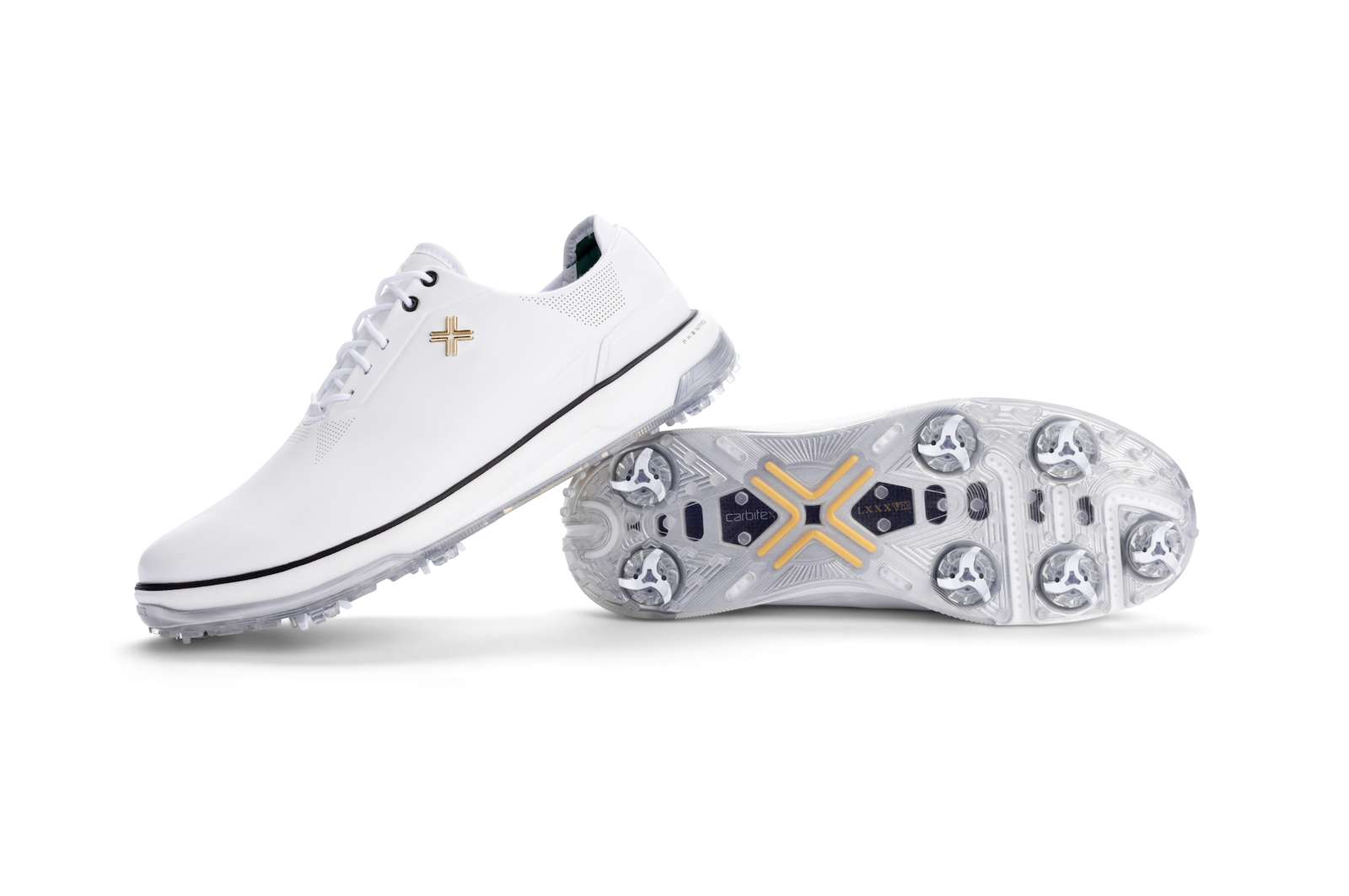
PAYNTR Jason Day Eighty Seven SC (Men’s)
In collaboration with Jason Day our newest model has arrived, the Eighty Seven SC!
CLARINO Trivela™️ microfiber upper delivers lightweight support and flexibility
Full WATERPROOF+ breathable membrane fused to lining and sealed with bottom gasket.
ARIAPRENE® tongue & bootie offers supreme foot lockdown to provide maximum stability and lightweight, breathable support.
TPU Outsole, with Fast Twist insert system, delivers traction in three dimension for the life of the shoe.
PMXNitro+ Footbed delivers lightweight responsive cushioning for the life of the shoe.
PMXNitro+ Midsole provides maximum energy return & ultimate under foot support.
CARBITEX GearFlex™️ propulsion plate allows golfers to more effectively harness ground reaction forces.
Almost sold out! View the Match Day SC for a comparable model.
View Product
Traction isn’t the only benefit:
Wearing spiked footwear isn’t just about creating more stability, it’s about creating more consistency. According to third-party testing done for Softspikes, the maker of replaceable spikes, players saw a 46% increase in impact consistency on the club face resulting in 60% better dispersion down range and a 5-yard increase in distance. Not because the stability of the spikes allowed them to swing faster, which it does, but because they were able to find the center of the face more consistently, leading to higher averages across the board. I even tested this indoors and sure enough, it worked there too.
Secrets on Tour:
Metal spikes are still out there:
Most people don’t know that metal spikes are still very popular on the PGA Tour. Their usage has gone down in recent years since the release of the Tour Flex Pro spikes, but they still see plenty of use on Tour each week. Metal spikes provide the most downward traction, as well as the best opportunity to penetrate through any debris. This can include pine straw, like Rory and others faced at Augusta, mud, leaves in the fall, or other conditions that may require pushing past debris for the best stance. Just ask Hoatong Li. He sure used his spikes at Augusta.
;)
Combo sets of spikes:
The craziest thing I had heard about spike usage on Tour sent me into a spiral that I still tinker with on a regular basis. Of all the pros that use spiked footwear on the PGA Tour, about half of them are using more than one type of spike on their feet. This is sorted out by using pressure displacement measurement during the golf swing, on-course testing,and through trial and error with the player. Some players will take a single metal spike and place it in the “last ditch effort” spot on their trail foot. Other players, like McIlroy will use a combination of spikes to make sure they are getting the best benefits for their unique swing and how they use the ground. Your feet and the shoes you choose to wear are the only connection you have to the ground you’re standing on. Treating them like any other piece of equipment in the bag is one of the best things you can do for your game.
Are you willing to put your scorecard on the line?
Confidence in traction is up to you. Are you willing to risk it?
I’ll be honest, the first time the folks at Softspikes approached me about wearing spikes vs. continuing to wear the spikeless shoes I had fallen in love with, I thought they were crazy. How could a simple shoe switch actually help me play better golf? Well as it turns out every claim they have made has come true for me. So much so that I refuse to play golf if I am not in spikes.
It’s become a big confidence problem if nothing else. I’m not a large golfer, but I have a very strong ability to use the ground and generate more power than my 5’7” frame should. A lot of that is aided by my ability to trust my footwear to keep me grounded in place and swinging as hard as I need to to gain an edge on my much larger competition. I’ve even converted Johnny Wunder into a spiked footwear user full-time after a conversation we had on the podcast with Softspikes tour rep Charles Woodward. Remember, every single winner this season has taken home the hardware with replaceable traction on their feet. The truth? Winners wear spikes. And I’m definitely not a loser. Are you?