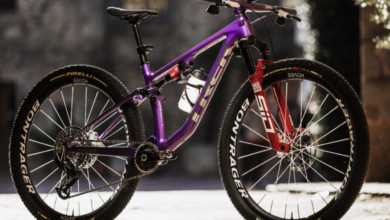
Are you a 31.8mm or 35mm handlebar type of person? Since the introduction of the larger diameter, many have asked the question: Why? Do the different sizes actually offer different ride characteristics?
Well, Fair Bicycle says: Yes. But not without compromise. While we might like the compliance and damping a 31.8mm bar may offer, it may not have the desired lateral stiffness. This is where the 35mm bar can shine, but they can also lean too heavily toward the stiff side, perhaps even a bit harsh.
This is where Fair comes in with its new handlebar standard, combining the best of both diameters. And, obviously, combining diameters (mathematically, at least) gives you 66.8, which of course rounds up to 67.
Introducing the Fair 6-7.
Fair Bicycle 6-7
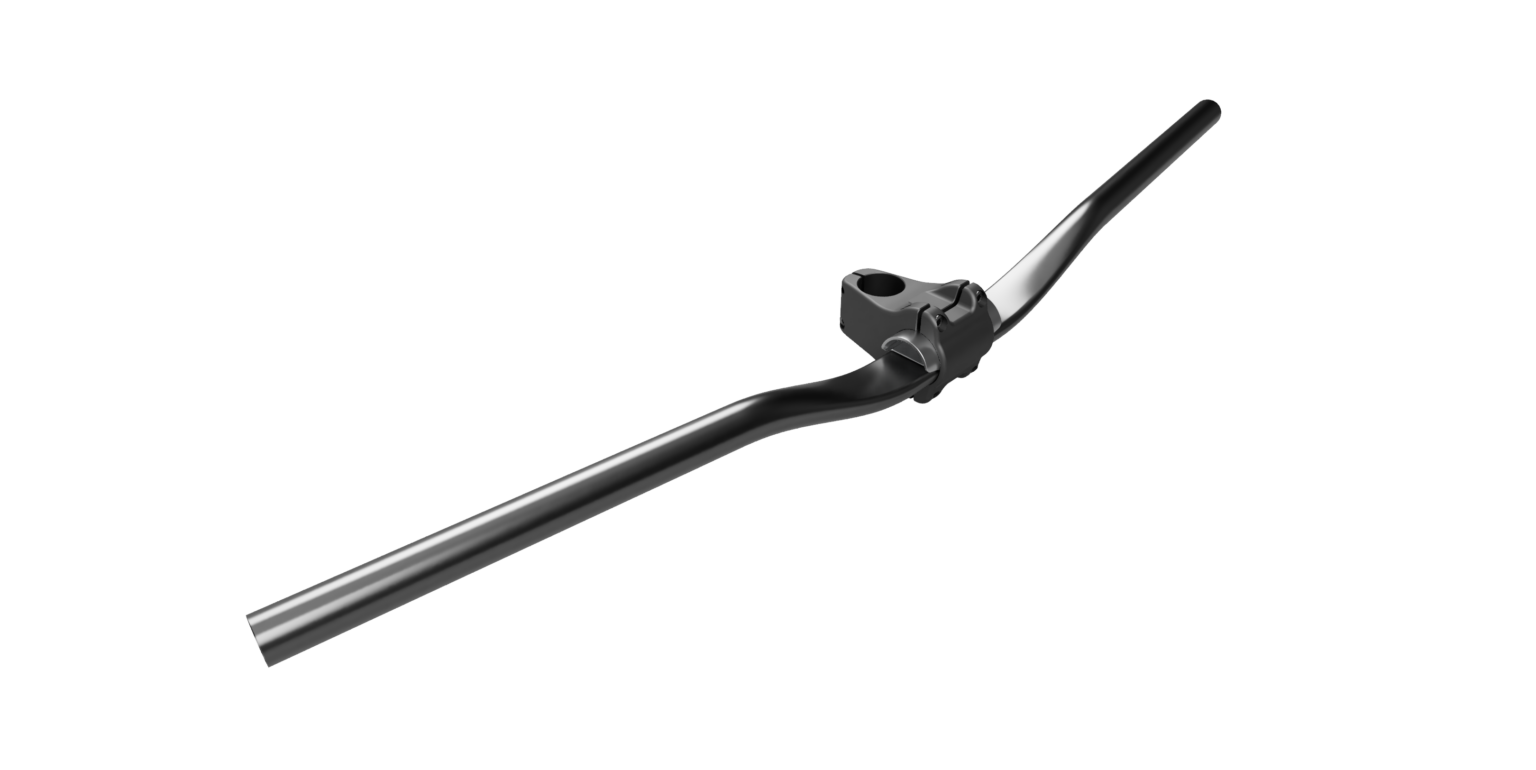
Fair’s new handlebar standard is truly a combination of the best aspects of both handlebar diameters. The brand claims their new design offers 50% more compliance than a 31.8mm bar, with the steering stiffness and precision of a 35mm bar.
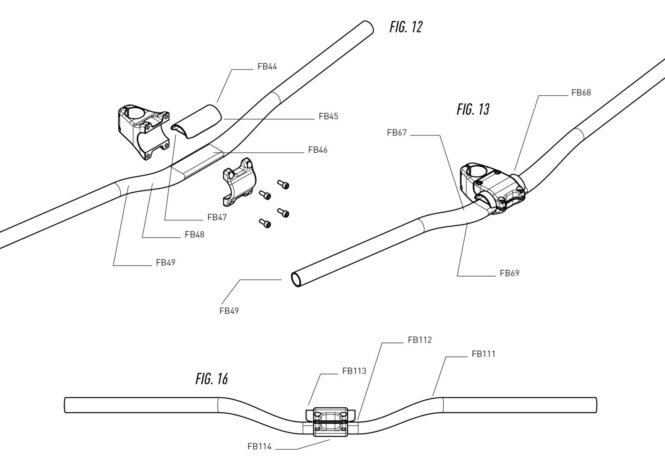
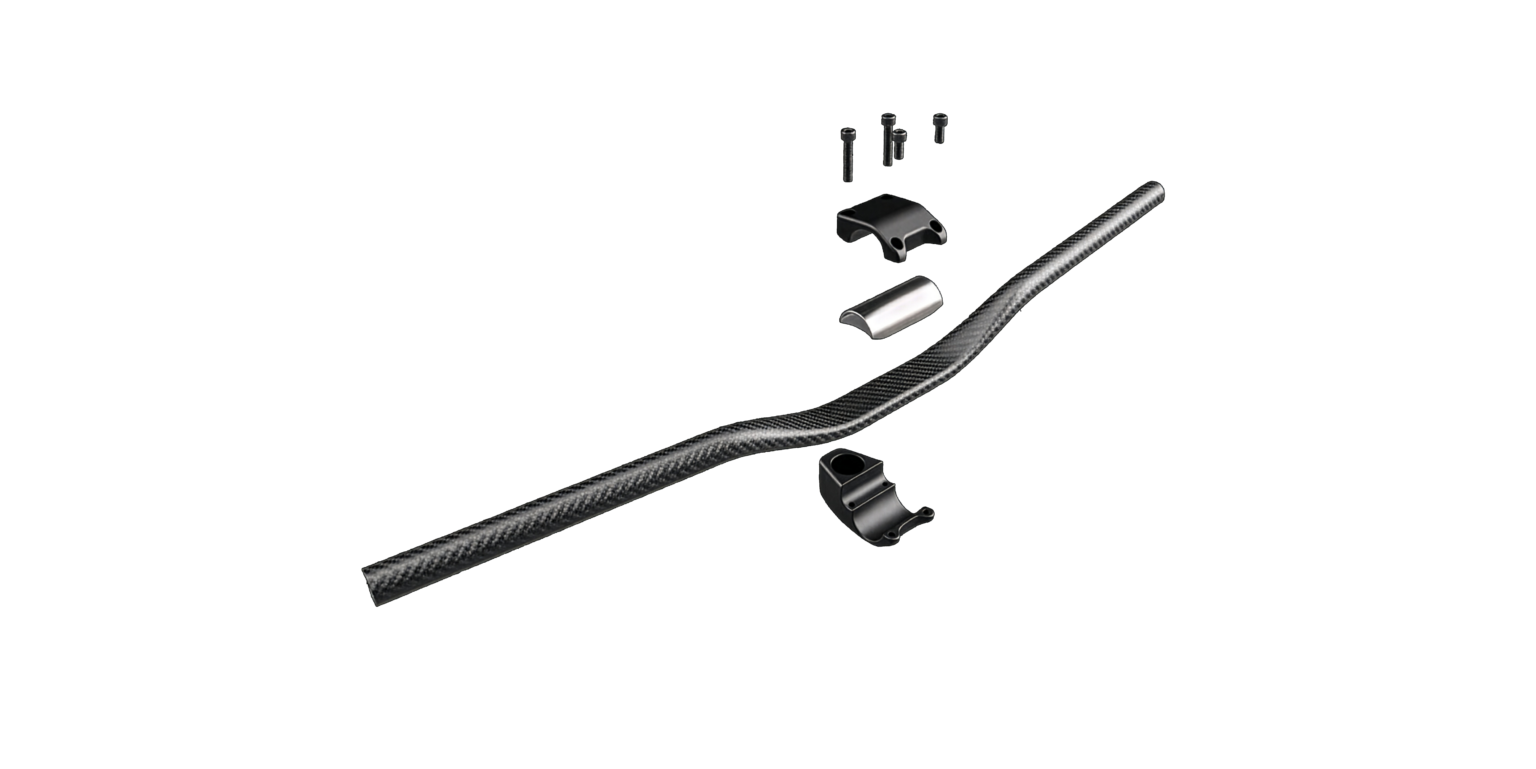
Fair designed the new bars to work with any 35mm stem, but they also designed their own stem to work with the system. Fair uses two key components to create this new special design. First is a specially-shaped handlebar with a flat-oval bar design in the middle. With this design, the top of the bar is flat and the bottom rounded.
The special design transitions into the standard 22.2mm diameter as it moves away from the center toward the end of the bars. This flat, middle section of the design is what enables the 6-7 bars to achieve such compliance.
On top of the flat portion of the bars is the “flex central shim.” This also significantly helps in vibration damping and allows the bars to fit a 35mm stem. Fair designed the shim to lock into place on top of the 6-7’s flat portion, evenly distributing and balancing forces.
While the middle portion of the 6-7 bars is essentially flattened, it is important to remember that it is also 35mm. Having the larger-diameter bar significantly improves overall lateral stiffness. This equates to precise steering on all terrain types.
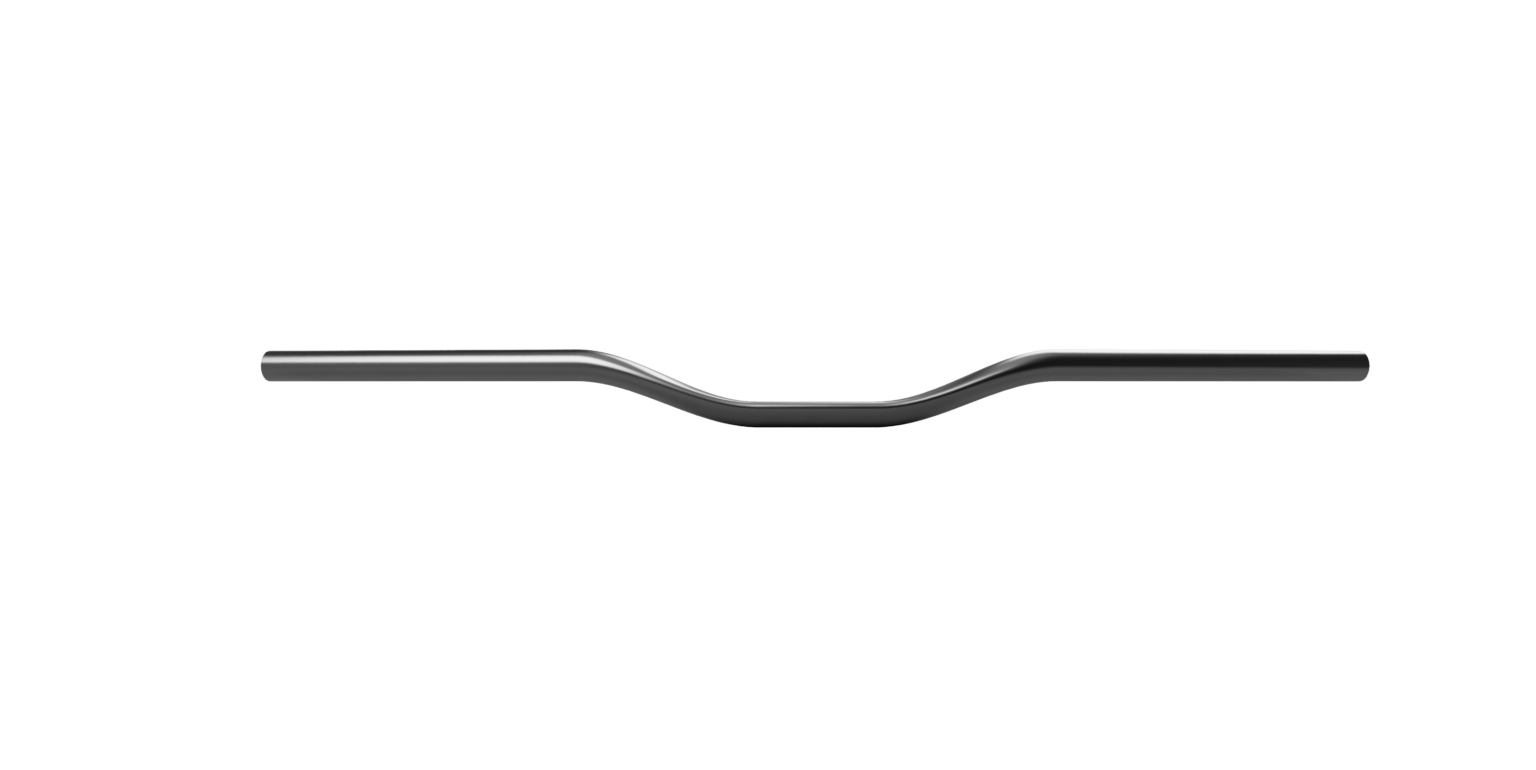
Fair also considered the carbon layup in the new 6-7 bars, striking a balance between compliance and stiffness. The top portion of the bars uses a cross-weave layup, while the bottom portions utilize a mostly unidirectional layup. This creates a bar that is compliant on top yet stiff on the bottom.
Free to License
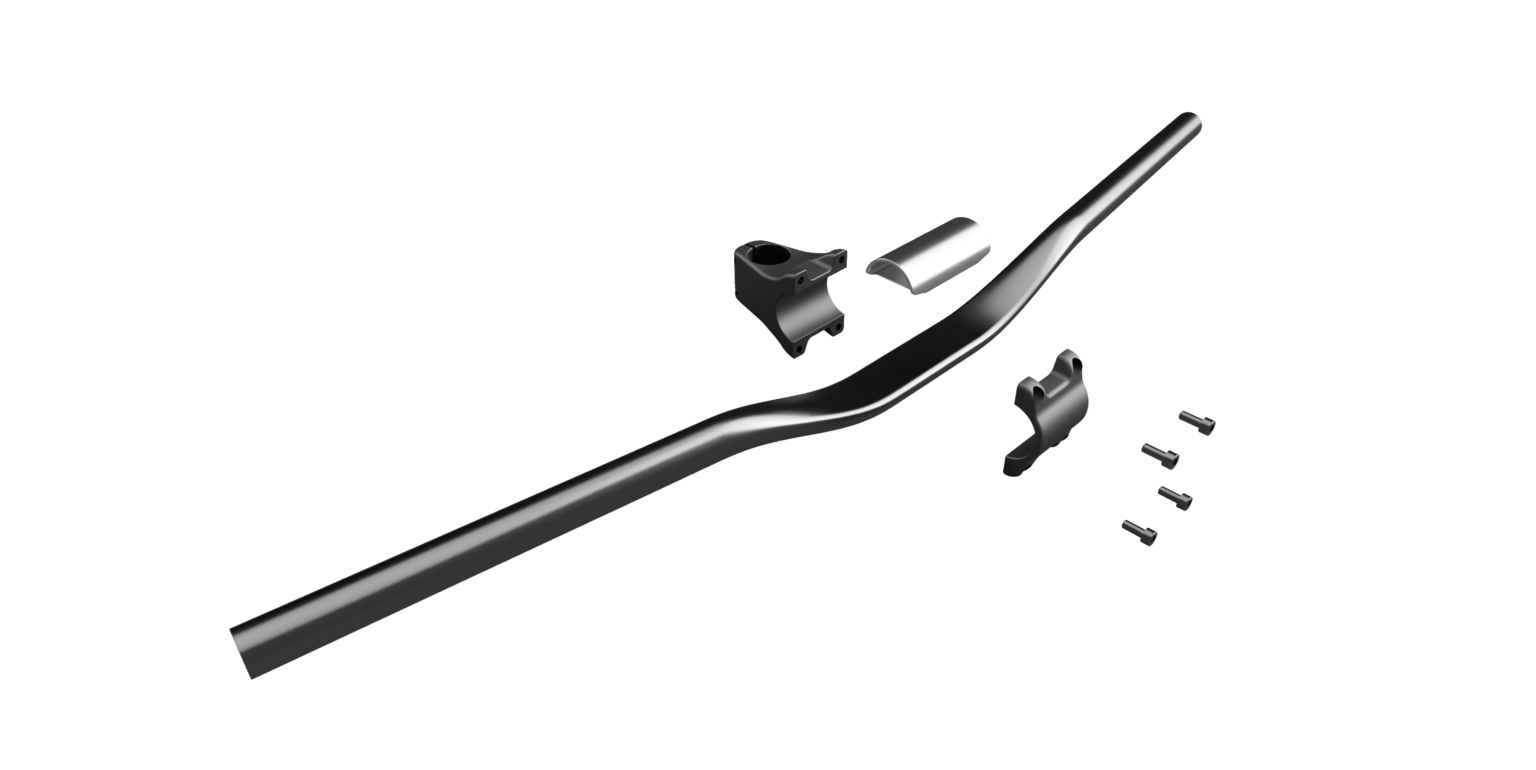
This new standard is an obvious fit for the mountain bike industry, but Fair also wants to see it in gravel and road as well. Best yet, Fair is offering any brand the option to license the new standard for free.
While Fair plans to bring the 6-7 standard to the market themselves, they know they aren’t the biggest players in the industry. It will be a slow, but steady grind. In the meantime, if others can move forward more quickly, Fair is happy to share.
Until then, the brand says to keep an eye out for the first half of 2027.
fairbicycle.com
The post Fair Bicycle Introduces a New Handlebar Standard appeared first on Bikerumor.